
PP Cotton&Anti-Scale: A Complete Guide to Cleaner Water and Fewer Scale Problems

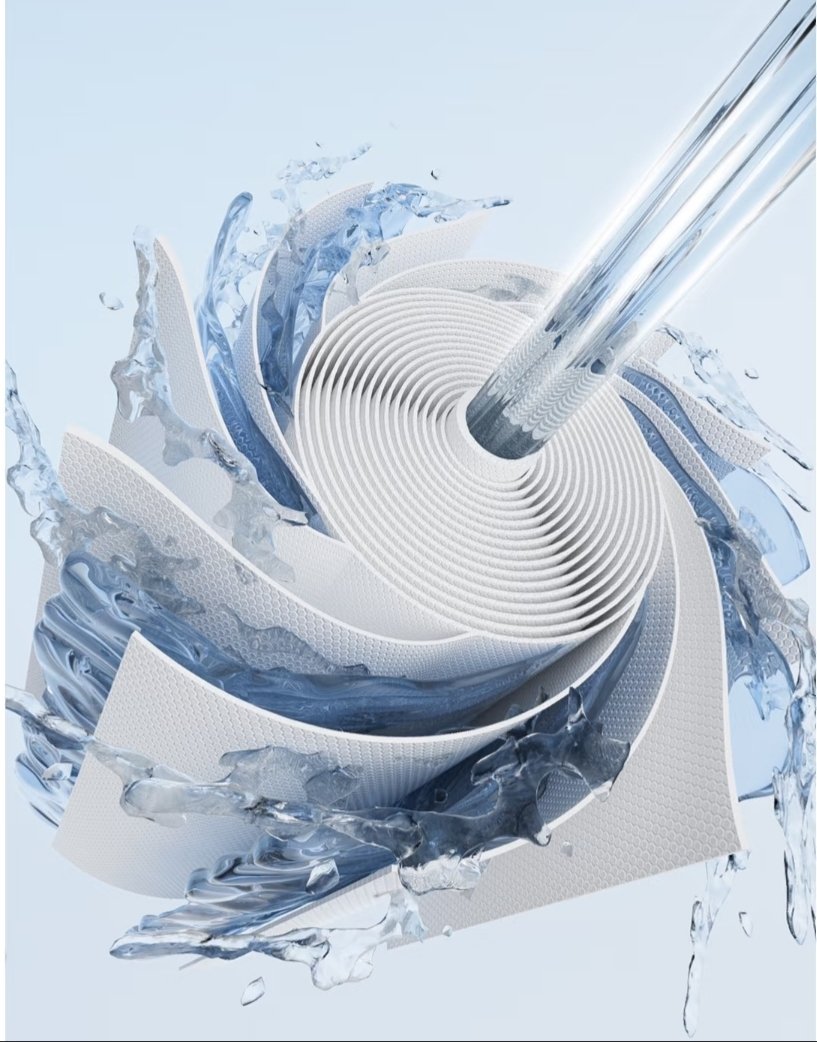
PP Cotton&Anti-Scale filtration combines mechanical sediment capture with scale-control technology to protect plumbing, appliances, and household water quality. For homeowners who want dependable everyday performance without unnecessary complexity, these paired technologies offer a practical balance: they intercept particles that cause cloudiness and abrasion while preventing mineral deposits that shorten appliance lifespans. This article explains how each component works, why the combination is effective, how to size and install systems, and how to keep them running at peak performance.
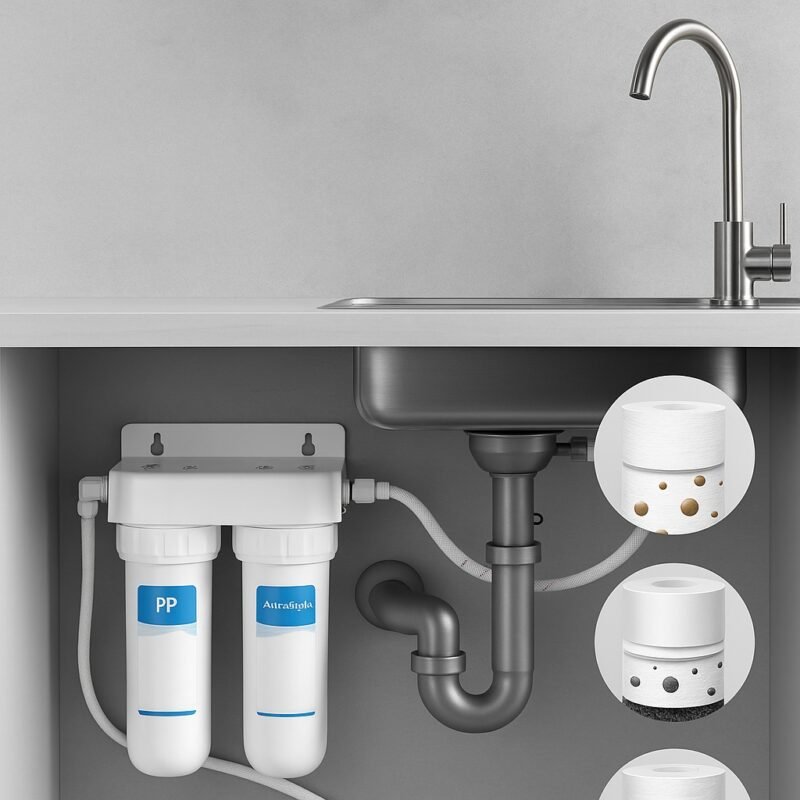
What “PP Cotton” Means and Why It’s Used
PP cotton refers to a filter element made from polypropylene fibers. The material is formed into a dense, tortuous matrix: water passes through many tiny channels and suspended particles are trapped within the fiber network. Unlike simple mesh strainers that only block large debris, PP cotton acts as a depth filter. That means particles lodge throughout the thickness of the filter rather than only on the surface—this increases holding capacity and reduces the frequency of clogging under moderate particulate loads.
Key attributes of PP cotton filters:
- They are available in a range of micron ratings (for example, coarse to fine), letting you choose the right balance between flow and filtration performance.
- Their construction makes them inexpensive, disposable, and easy to replace.
- They protect downstream media by intercepting rust, sand, silt, and other solids that would otherwise prematurely foul carbon beds, membranes, or mechanical components.
In practice, PP cotton is most commonly used as the first stage of a point-of-entry or point-of-use assembly. By capturing the larger, abrasive particles first, it preserves the performance and lifetime of the more specialized media that follow.
What “Anti-Scale” Technologies Do and How They Differ
“Anti-scale” describes a category of treatments and media designed to limit the formation and deposition of calcium and magnesium scale inside pipes, heaters, and appliances. Scale forms when hard water (rich in calcium and magnesium) is heated or experiences pressure changes. Over time it forms insulating layers on heating elements and narrows flow passages, reducing efficiency and increasing energy use.
Anti-scale solutions work by several different mechanisms:
- Threshold Inhibitors and Polyphosphates: These chemicals interfere with crystal growth, keeping minerals in a dispersed, nonadherent form that is far less likely to stick to surfaces.
- Template-Assisted Crystallization (TAC): Specialized media encourage minerals to form microscopic, stable crystals that remain suspended and are flushed out rather than forming hard scale on surfaces.
- Electrochemical or Magnetic Devices: Some devices claim to alter mineral behavior via electromagnetic fields; their effectiveness varies and depends on water chemistry.
- Ion-Exchange Softening: Traditional softeners exchange calcium and magnesium ions for sodium or potassium, effectively removing hardness—but they are a different class of technology and introduce salt/regeneration steps.
Anti-scale media used in combination with PP cotton typically do not strip all minerals from the water; instead they modify mineral behavior to prevent deposit formation while preserving dissolved mineral balance in the water.
Why Combine PP Cotton & Anti-Scale?
Combining PP cotton and an anti-scale stage addresses two of the most common household water problems simultaneously: particulate contamination and scale formation. Each component targets a complementary problem, and together they produce results greater than either alone.
Practical benefits of the pairing:
- Protects Downstream Media: PP cotton prevents solids from abrading anti-scale media and clogging finer filters, extending overall service intervals.
- Preserves Appliance Efficiency: Anti-scale treatment prevents fouling on heating elements and plumbing, which reduces energy use and lowers repair frequency.
- Improves Water Appearance and Function: The water looks clearer (less suspended matter) and performs better in soaps and detergents (reduced scale and improved cleaning).
- Low Complexity: Compared with full softening or multi-stage RO systems, a PP cotton + anti-scale assembly delivers meaningful gains with simpler maintenance.
For many households the combined approach delivers “whole-home practicality”: water that is visually cleaner, tastes better, and is gentler on fixtures and appliances.
Typical System Layout and Flow
A typical setup places the PP cotton element first, followed by the anti-scale stage. The most common flow configuration is:
- Main inlet → 2. Sediment prefilter (PP cotton) → 3. Anti-scale cartridge / media → 4. Optional polishing or point-of-use filters (carbon, RO, UV) → 5. House plumbing
This sequence ensures that the anti-scale media does not need to trap sand or rust particles, which would otherwise reduce its effectiveness. In homes where the water supply contains iron or excessive organics, an additional specialized medium or backwashable sediment trap may precede the PP cotton stage.
How PP Cotton Filtration Works in Practice
PP cotton filters are rated by micron size. Typical choices include 20 μm, 10 μm, 5 μm, and even sub-micron variants for finer sediment control. The selection depends on source water quality:
- Municipal treated water with visible particulates: 5–10 μm is often sufficient.
- Well water with heavy sand or gravel: Start with a coarser prefilter (20 μm or larger) to avoid rapid clogging.
- Polishing before point-of-use devices: 1–5 μm ensures minimal solids reach sensitive RO membranes or cartridge filters.
Because PP cotton functions as a depth filter, pressure drop increases gradually as particles entrap within the media. This profile is preferred because it provides a predictable service life and a clear signal—reduced flow—when replacement is due.
Anti-Scale Options and How to Select Them
Choosing the right anti-scale approach depends on how hard your water is and what you want to protect:
- Low to medium hardness (moderate calcium/magnesium): Threshold inhibitors or polyphosphate cartridges can be effective and are low-maintenance.
- Medium to high hardness with concerns about deposits: TAC (template-assisted crystallization) media provide a salt-free option that reduces scale without regenerant chemicals.
- Extremely hard water or scale already present: A traditional water softener may be necessary in addition to an anti-scale stage; however, softeners are larger, require regeneration and salt handling, and alter water chemistry more dramatically.
- Well water with iron or manganese: Combine iron removal media with anti-scale technology and robust sediment protection.
Consider practical factors: installation footprint, maintenance frequency, whether you prefer saltless options, and whether you want to retain natural mineral content.
Sizing a PP Cotton & Anti-Scale System for Your Home
Correct sizing avoids flow problems and maximizes performance:
- Measure peak flow needs. Peak flow occurs when multiple outlets run together—showers, laundry, and dishwashers. Typical single fixtures use between 1–3 gallons per minute (GPM). A modest family home commonly needs a system rated at 8–12 GPM; larger homes may need higher capacities.
- Select housing and cartridges rated for that flow. Manufacturers list recommended flow ranges; choose housings and multiple parallel cartridges to meet peak flow without heavy pressure loss.
- Allow clearance for service. Install housings with ample space beneath to remove and replace cartridges comfortably.
- Plan for multi-stage setups. If adding optional polishing filters (e.g., carbon), ensure they are sized to handle the same flows and are downstream from sediment and anti-scale stages to protect them.
Oversizing increases upfront cost but reduces pressure drop and extends service intervals; undersizing creates user complaints about weak showers or slow faucets.
Installation Tips and Best Practices
Installing a PP cotton & anti-scale assembly is often straightforward, but a few best practices make the system reliable:
- Install at the main point-of-entry if you want whole-home benefits; install at a point-of-use if only a specific faucet/appliance needs protection.
- Include a bypass valve so water service isn’t interrupted during maintenance.
- Use a proper prefilter where water has heavy particulate load; consider a sediment trap or a larger micron prefilter before the PP cotton if necessary.
- Avoid placing systems where they can freeze—freeze damage to housings and media is common in unheated spaces.
- Label cartridges and record replacement dates so maintenance is straightforward.
- Flush new cartridges fully before counting on final water quality; many filters require an initial flush to remove manufacturing dust.
If you are not comfortable with plumbing, a certified installer ensures proper connections, pressure testing, and code compliance.
Maintenance: Replacing Cartridges and Monitoring Performance
Regular maintenance keeps the system effective and prevents problems.
- PP cotton replacement: Frequency depends on particulate load but commonly ranges from every 3 to 12 months. A rapid drop in flow or visible discoloration of the cartridge are clear signs to replace it.
- Anti-scale cartridge replacement: Many anti-scale cartridges last 6–12 months, though TAC and catalytic media may last longer—follow manufacturer guidance.
- Visual checks: Inspect housings for leaks and check O-rings on cartridge housings whenever swapping elements.
- Record keeping: Tracking installation and replacement dates in a simple log helps predict service intervals and avoid lapses.
- Water testing: After major changes or if problems appear (e.g., scale reappears), perform a water test to ensure the system is performing correctly.
Keeping spare cartridges on hand reduces downtime and keeps household operations smooth.
Troubleshooting Common Issues
Problem: Low flow after installation
Cause: Clogged prefilter or media improperly seated.
Fix: Check bypass valves, inspect and replace the PP cotton cartridge, ensure housings are fully tightened and seals in good condition.
Problem: Scale continues to form
Cause: Anti-scale media exhausted or water hardness higher than media intended to handle.
Fix: Verify the anti-scale cartridge age and water hardness level; consider adding or upgrading to a stronger anti-scale solution or a water softener.
Problem: Unusual taste or odor
Cause: New carbon-containing media may require flushing; otherwise, check for bacterial growth in housings.
Fix: Flush thoroughly after cartridge change; sanitize housings if necessary.
Problem: Leaks
Cause: O-ring damage or loose fittings.
Fix: Replace O-rings, apply food-grade lubricant, and re-tighten fittings; avoid overtightening.
Prompt attention to these signs maintains service life and avoids costly downstream repairs.
Comparison with Other Approaches
PP cotton & anti-scale fills a niche: simple, effective, and low-maintenance. How does it compare to other options?
- Versus carbon-only systems: Carbon improves taste and removes many organic chemicals, but without PP cotton first, carbon can foul quickly. The PP cotton + carbon combo is a common improvement because it protects the carbon stage.
- Versus water softeners: Softeners remove hardness ions but require salt and regeneration; anti-scale retains minerals while preventing deposits. For those unwilling to manage regeneration, anti-scale is an appealing salt-free option.
- Versus RO systems: RO provides near-complete removal of dissolved solids, but the process is more complex, wastes water, and is usually used for point-of-use drinking water. PP cotton & anti-scale is focused on whole-home protection rather than producing ultrapure water.
Selecting the right approach depends on goals: whole-home protection, drinking water purity, or scale elimination at all costs.
Practical Use Cases and Examples
- Urban apartment with occasional rust in tap: Install a PP cotton prefilter to capture rust and a small anti-scale cartridge to protect the kettle and shower heads.
- Suburban home with hard water and visible scale: Choose a robust anti-scale media and a PP cotton prefilter sized for family flow; consider adding a dedicated under-sink RO for drinking water if mineral removal is desired.
- Rental properties: A PP cotton + anti-scale assembly provides tenant-friendly protection with minimal ongoing tenant maintenance—landlords can service the system during scheduled property checks.
These real-world patterns illustrate the versatility of the pairing for a wide range of households.
Environmental and Economic Considerations
PP cotton & anti-scale systems are relatively low-resource options:
- Lower plastic waste compared to bottled water use.
- Reduced appliance energy consumption by avoiding scale buildup on heating elements.
- Moderate ongoing costs—cartridges are inexpensive relative to softener salt or full RO membrane replacements.
If environmental priorities are high, choose media with recyclable housings or programs for responsible disposal.
Future-Proofing Your System
To keep your installation relevant over time:
- Install modular housings that accept different cartridge types as needs change.
- Leave space for add-on modules such as carbon polishing stages, UV, or point-of-use RO if future requirements demand it.
- Consider remote monitoring: some modern systems include simple sensor modules that flag pressure drops or prolonged flow reductions.
Flexibility in design avoids premature replacement of entire systems when household needs evolve.
Frequently Asked Questions
Q: Will PP cotton remove dissolved chemicals?
A: No. PP cotton is a mechanical filter focused on particles; dissolved chemicals require adsorption media (like carbon) or membrane processes.
Q: Is anti-scale safe to use with all plumbing materials?
A: Yes—most anti-scale media and polyphosphate cartridges are compatible with common household plumbing, but verify manufacturer guidance and follow recommended dosages for chemical treatments.
Q: Can I use PP cotton & anti-scale with a whole-home RO?
A: Yes. Using PP cotton before the RO protects the membrane from particulates, and anti-scale reduces mineral fouling, both of which extend membrane life.
Q: How do I know when the anti-scale cartridge is exhausted?
A: Users often notice renewed scale formation or changes in appliance performance. Some cartridges have indicator life spans (months of service). Water testing can confirm ongoing efficacy.
Q: Do anti-scale systems remove hardness permanently?
A: Anti-scale systems generally prevent deposits but do not remove hardness ions unless you use a conventional ion-exchange softener.
Final Thoughts
A PP Cotton&Anti-Scale arrangement provides an efficient and homeowner-friendly approach to daily water quality and scale control. The pairing protects downstream filters and appliances while minimizing complexity and maintenance burden. For many households the combination represents a practical middle ground between basic carbon filters and complex full-home softening or RO systems.
If you want a system tailored to your water, begin with a test, determine your peak flow needs, and choose a modular assembly that allows future upgrades. With correct sizing and routine maintenance, PP cotton and anti-scale solutions will deliver cleaner faucets, fewer scale problems, and better day-to-day performance at modest cost.