
Reverse Osmosis Filter: What Homeowners Need to Know


reverse osmosis filter systems are one of the most powerful and widely used solutions for producing very high-quality drinking water at home. If you want virtually contaminant-free water for cooking, baby formula, or laboratory-grade clarity for specific uses, a modern RO system can deliver consistent, safe water from a kitchen tap. This guide explains how RO works, how systems differ, what to consider when buying, installation and maintenance steps, environmental and cost factors, and practical tips to get the most from your filter.
How a Reverse Osmosis Filter Actually Works
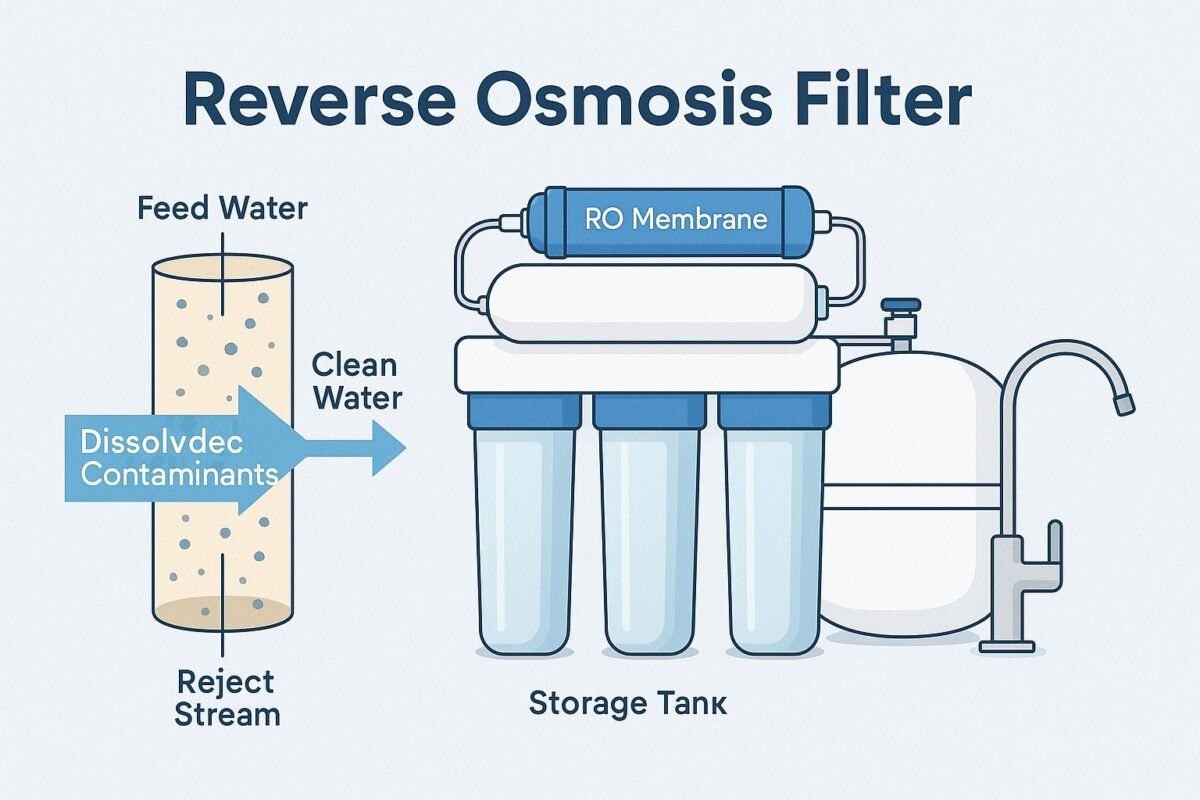
A reverse osmosis filter uses a semipermeable membrane to separate water molecules from dissolved contaminants. In a typical point-of-use system, feed water first passes through pre-filters that remove sediment and chlorine. The pretreated water is then pressurized across the RO membrane. Because the membrane’s pores are extremely fine—small enough to block salts, heavy metals, and many organic molecules—clean water passes through while a concentrated waste stream (brine) carries away rejected contaminants.
Key stages in a standard RO system:
- Sediment pre-filter: Captures sand, rust, and particulate debris to protect downstream components.
- Carbon pre-filter(s): Adsorbs chlorine and volatile organics that would damage the RO membrane and impair taste.
- RO membrane: The core separation unit that rejects dissolved solids, heavy metals, fluoride, and many micro-contaminants.
- Post-filter: Polishes the water for improved taste, sometimes using a final carbon stage or mineral cartridge.
- Storage tank and delivery faucet: Purified water is held in a small tank then dispensed through a dedicated faucet when required.
Some RO setups include additional elements—UV sterilization for microbiological safety, alkaline or remineralization stages to reintroduce healthy minerals, or booster pumps to maintain pressure in low-pressure systems.
What Reverse Osmosis Filters Remove (and What They Don’t)
RO membranes are highly effective but not universal. Understanding what RO removes helps you decide if it’s the right technology for your needs.
Commonly removed by RO:
- Dissolved salts (sodium, chloride)
- Heavy metals (lead, cadmium, mercury)
- Fluoride and nitrate
- Many pesticides and herbicides
- PFAS and many synthetic organic compounds (to varying degrees)
- Microplastics and fine suspended solids
- A significant portion of bacteria and viruses (when combined with proper prefiltration and system sanitation)
Less effectively removed or not removed by RO:
- Gases like radon (requires venting or additional treatment)
- Some volatile organic compounds that pass membranes if not captured by carbon prefilters
- Very low molecular weight compounds in trace amounts; performance depends on membrane type
For total microbiological protection, RO is often paired with UV sterilization or sanitary design practices because a damaged membrane or contaminated storage tank could allow bacterial growth if not maintained.
Types of Reverse Osmosis Filters and Configurations
RO systems vary by application. Common configurations include:
- Under-sink RO units: Compact systems installed beneath the kitchen sink. They are the most popular for residential drinking water.
- Countertop RO units: Portable RO machines that require minimal plumbing changes—good for renters or small spaces.
- Whole-house RO: Large systems sized for household flow rates. They provide very pure water to the entire home but are expensive and generate substantial wastewater unless carefully engineered.
- Commercial/industrial RO: High-capacity units for restaurants, labs, or manufacturing that need large volumes of purified water and may include multi-stage polishing.
- Point-of-entry RO hybrids: Systems that combine softening, carbon adsorption, and partial RO to balance water quality and resource use.
Membranes come in different materials (polyamide thin-film composite is common for drinking water), and in different rejection profiles. High rejection membranes eliminate more TDS but may operate slower or require higher pressure.
Choosing the Right Reverse Osmosis Filter for Your Home
Selecting an RO system requires matching performance to your household’s water quality and needs.
1. Test your water first.
Get a lab test or a reliable home test kit to measure TDS (total dissolved solids), hardness, iron, chlorine, and specific contaminants like lead or nitrate. Knowing what’s present tells you whether RO is necessary or if a simpler carbon or softener solution will suffice.
2. Consider daily demand and flow.
A family of four will use more drinking and cooking water than a single occupant. Look at the system’s production rate (gallons per day) and the storage tank size. Tankless RO systems deliver filtered water on demand and save counter space but require adequate supply pressure.
3. Check feed water pressure and temperature.
RO membranes are pressure-driven; low household pressure can reduce output. If your pressure is below recommended levels, add a booster pump. Membrane life is also impacted by hot water, so ensure feed water is in the recommended temperature range.
4. Evaluate wastewater ratio and environmental impact.
RO generates a brine stream—modern systems are more efficient, but you should compare recovery rates. For eco-conscious buyers, look for units with improved recovery or systems that reuse reject water for irrigation or cleaning.
5. Look for certifications and replacement parts.
Choose systems certified by reputable third parties for performance claims, and confirm availability and price of replacement filters and membranes. Long term serviceability matters more than low initial cost.
6. Decide on additional features.
If you prefer the taste and benefits of minerals, select a system with a remineralization cartridge. For well water, you might need pre-treatment (iron removal, sediment traps) and a UV lamp for microbiological safety.
Installation: What to Expect
Most under-sink RO systems can be installed by a capable homeowner, though some prefer professional installation for peace of mind. The basic steps are:
- Shut off the cold water valve and relieve pressure.
- Install a feed valve to draw water from the cold line.
- Mount the filter housing and RO unit in the cabinet, leaving space for filter replacement.
- Connect prefilters, membrane housing, and postfilters per manufacturer instructions.
- Install the storage tank and connect the tank valve.
- Drill a hole in the countertop for the dedicated RO faucet (if none exists) or use an existing dispenser opening.
- Connect the drain line to the sink drain via an air gap or other approved method to prevent sewer backflow.
- Pressure test and flush per instructions before first use.
Whole-house or complex systems require certified plumbers and possibly permits. Always follow local plumbing codes.
Maintenance: Keep Your Reverse Osmosis Filter Performing
Maintenance is critical to keep the RO membrane healthy and water safe.
- Change prefilters every 6–12 months. Sediment and carbon prefilters protect the membrane from fouling.
- Replace the RO membrane every 2–5 years. The exact interval depends on feed water quality and usage. Sudden drops in output or rising TDS in product water indicate membrane aging.
- Sanitize and replace post-filters annually or per the manufacturer. This prevents biofilm or taste issues.
- Monitor TDS and flow. A TDS meter provides a quick check of system performance—if product water TDS begins to climb, service is likely needed.
- Keep the storage tank pressurized. Check the tank’s air charge annually to ensure delivery pressure and prevent bacterial growth.
Use original or certified replacement parts. Low-cost aftermarket parts may fail or underperform. Keep a spare set of cartridges on hand to avoid lapses in protection.
Troubleshooting Common RO Problems
Low water output: Check feed water pressure, clogged prefilters, or a failing membrane. Ensure tank valve is open and the air charge in the storage tank is correct.
Bad taste or odor: Replace post-carbon filter and sanitize the system. Verify that prefilters and membrane are functioning.
High product water TDS: This indicates membrane breakthrough. Replace the membrane and verify prefilters were in place.
Leaking or dripping: Inspect hose fittings, tighten compression fittings, and replace damaged seals. For persistent leaks, shut off feed and consult a professional.
Excessive wastewater: Some variance is normal, but a sudden change suggests a membrane or valve issue. Check flow restrictors and drain fittings.
Environmental and Economic Considerations
RO systems have tradeoffs. They deliver extremely high-quality water but produce reject water. Modern membranes and permeate pumps improve recovery, and some households route reject water for nonpotable uses like irrigation or washing machines to minimize waste. Economically, RO systems often pay back their upfront cost within a few years through savings on bottled water and reduced appliance scale damage. Factor in replacement filter and membrane costs when calculating long-term value.
Remineralization and Taste Preferences
Because RO strips many dissolved solids, the resulting water can taste “flat” to some people. Remineralization filters add back calcium and magnesium to restore flavor and increase alkalinity slightly. For families concerned about mineral intake, remineralization brings water closer to natural drinking profiles without sacrificing contaminant removal.
RO for Specific Uses: Not Just Drinking Water
Although most residential RO systems focus on drinking and cooking, RO is also used for:
- Aquariums: Maintaining stable, low-contaminant water for sensitive species.
- Coffee and beverage preparation: Specialty coffee shops use RO to control mineral content for consistent flavor.
- Laboratory and medical equipment: Where pure water is necessary for tests and devices.
- Commercial kitchens and food production: To protect product quality and equipment life.
Match the system size and membrane type to the application—demand and purity requirements vary.
Cost Breakdown: What to Expect
Initial RO system cost varies widely—from budget under-sink units starting under a couple hundred dollars to whole-house or commercial systems costing several thousand. Ongoing costs include prefilter cartridges, carbon post-filters, membrane replacement, and possible booster pump servicing. For most households, annual maintenance is modest relative to the convenience and quality gained.
Myths and Misconceptions About RO
“RO removes all minerals and is unhealthy.”
RO removes many minerals, but most dietary minerals come from food. Remineralization options exist for those who prefer mineralized water.
“RO wastes too much water.”
Older systems were inefficient, but modern RO technology has improved. For many households the environmental tradeoff is still favorable compared with the production and transport of bottled water.
“RO water is sterile.”
RO greatly reduces microbial load, but sterility is not guaranteed—sanitation and maintenance are necessary. For total microbial assurance, pair RO with UV or ensure closed, sanitary designs.
How to Test and Verify Your RO System’s Performance
A few practical checks help ensure performance:
- TDS meter: Measures total dissolved solids of feed and product water. A large percentage reduction confirms effective membrane performance.
- Flow rate test: Time the filling of a liter bottle to see if the system’s output is consistent with rated production.
- Taste and odor checks: Subjective but useful—sudden changes suggest maintenance needs.
- Water lab tests: Periodic laboratory testing for specific contaminants (lead, nitrate, PFAS) adds assurance for sensitive households.
Future Trends in Reverse Osmosis Technology
RO continues to evolve. Emerging trends include membranes with higher permeability and selectivity (lower pressure needs and higher rejection), integrated smart monitoring for filter life, energy-recovery devices in larger systems, and hybrid designs that combine RO with advanced adsorption media for targeted contaminants like PFAS. For homeowners, this means better performance with lower environmental impact over time.
Making the Decision: Is a Reverse Osmosis Filter Right for You?
Consider RO if you have any of these conditions:
- Elevated TDS or noticeable saline/metallic taste.
- Presence of specific dissolved contaminants (lead, fluoride, nitrate) in test results.
- Need for very pure water for infants, medical needs, or sensitive cooking uses.
- Replacement of bottled water for health and environmental reasons.
If your primary concern is chlorine taste or odor alone, a high-quality carbon filter may suffice. For hard water scale issues, consider combining RO with a water softener or anti-scale treatment.
Practical Checklist Before Purchase
- Get a comprehensive water test.
- Match system production rate and tank size to household needs.
- Confirm feed pressure or budget for a booster pump.
- Check certification claims and warranty.
- Review long-term replacement part costs.
- Decide on add-ons: remineralization, UV, booster, tankless design.
Frequently Asked Questions (FAQ)
Q: How long does an RO membrane last?
A: Typically 2–5 years depending on feed water quality and prefilter maintenance.
Q: Can RO be used on well water?
A: Yes, but pre-treatment for iron, turbidity, and bacteria (UV) may be necessary.
Q: Will RO remove chlorine taste?
A: Yes—carbon prefilters remove chlorine before the membrane, and post-carbon polishes product water.
Q: Is the wastewater harmful?
A: Reject water carries concentrated contaminants and should be disposed of per local guidance; it is often suitable for nonpotable uses.
Q: Do I need a dedicated faucet?
A: Most point-of-use RO systems deliver through a separate faucet, though some designs can feed an existing dispenser.
Alt Text Suggestions for Images
- “reverse osmosis filter membrane cross section showing clean permeate and reject stream”
- “under sink reverse osmosis filter system with prefilters and storage tank installed”
- “installation diagram of reverse osmosis filter connecting to cold water supply and sink drain”
- “removable RO membrane cartridge for replacement”
Closing Thoughts
A reverse osmosis filter is a proven, versatile technology for achieving very high water purity at the point of use. When matched appropriately to your water quality and household needs—and when properly installed and maintained—RO systems deliver consistent, great-tasting water that supports health, kitchen performance, and many specialized applications. Evaluate your water, plan for ongoing maintenance, and choose quality components to maximize return on investment and environmental benefits.