
Water Filter for Sink: Choose, Install & Maintain the Best System

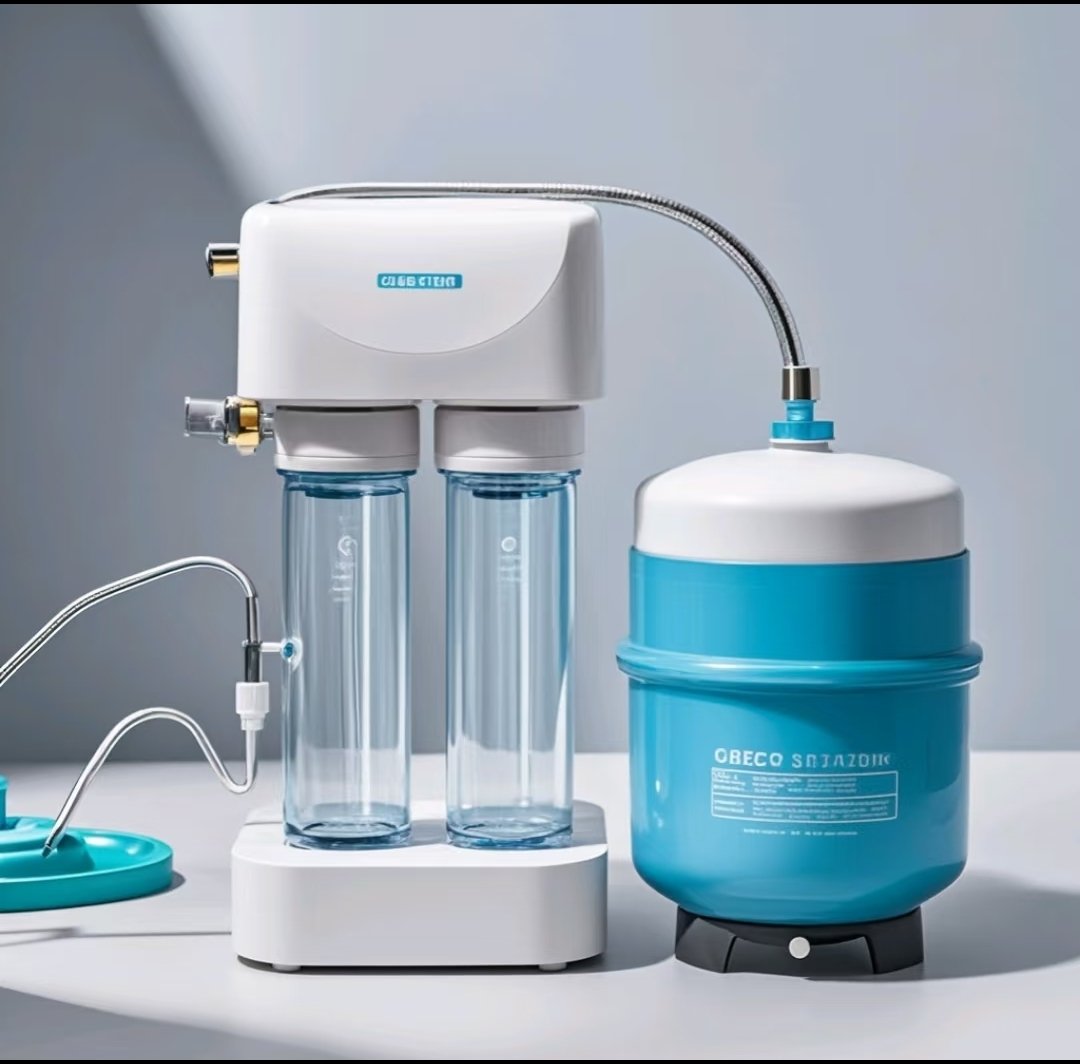
This topic is covered in full in our main guide: Water Filter For Under The Sink: The Complete Guide (Types, Costs, Installation, Maintenance & Buying Advice).
Introduction — Why a Water Filter for Sink Matters Today
A water filter for sink is one of the simplest and most effective upgrades for any kitchen. It brings safer, better tasting water directly to the tap used most frequently for drinking and cooking. Whether you live in a city with treated municipal water or on a private well, a properly selected sink filter improves everyday water quality by reducing sediments, chlorine taste, heavy metals, and other contaminants. For many households, a sink-mounted solution is the best balance of performance, convenience, and cost.
This article explains how sink filters work, the different types available, how to choose the right model for your needs, step-by-step installation advice, maintenance guidance, troubleshooting tips, and practical considerations for health and the environment. Read on to find the sink filtration solution that matches your lifestyle.
What Is a Water Filter for Sink?
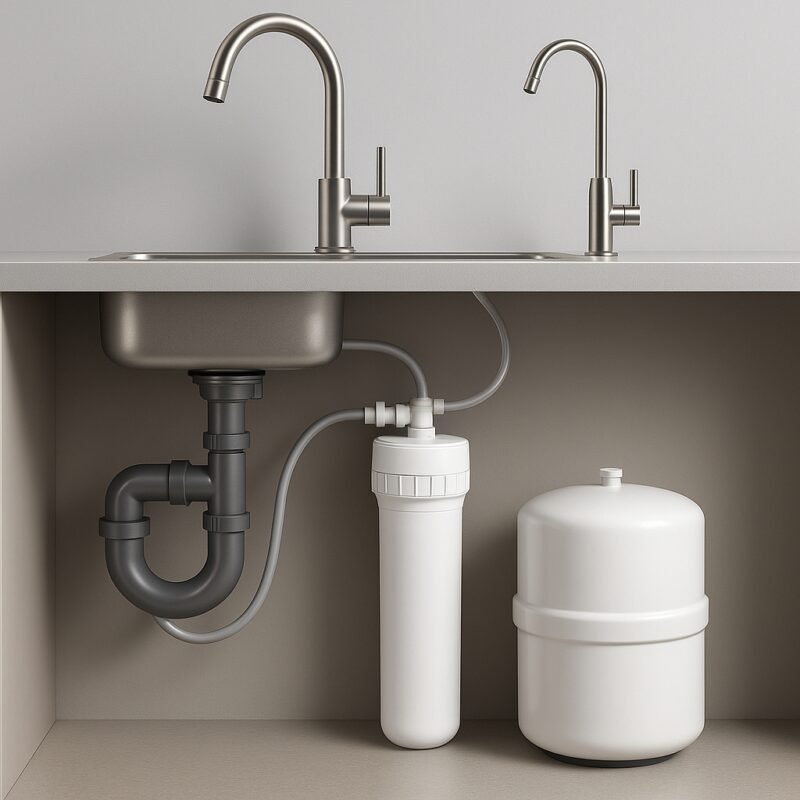
A water filter for sink is any filtration device that treats water at the kitchen sink. It can be a faucet-mounted filter, a dedicated under-sink system, a compact countertop unit that feeds the sink, or an in-line filter integrated into existing plumbing. The main purpose is to remove or reduce contaminants that affect taste, safety, or appliance health. Unlike whole-house filters, sink filters focus on the point-of-use where drinking and cooking water are taken, enabling targeted purification without treating the entire home’s supply.
Common Contaminants a Sink Filter Can Address
Different sink filters target different substances. Typical contaminants that users want removed include:
- Sediment and particulate matter — sand, rust, and visible debris that cloud water.
- Chlorine and chloramine — chemicals used for disinfection that can leave taste and odor.
- Heavy metals — lead, copper, mercury and others that may leach from old pipes.
- Organic compounds and VOCs — compounds from industrial or agricultural sources that affect flavor and safety.
- Microbial contaminants — bacteria and protozoa (usually addressed by specific membrane or UV solutions).
- Hardness contributors — calcium and magnesium minerals that form scale (addressed by softening technologies, not all sink filters).
Always start by testing your water to know which contaminants are present and require treatment.
Types of Water Filters for Sink
Faucet-Mounted Filters
These attach directly to the faucet or replace the aerator. They are inexpensive and simple to install, providing quick improvements in taste and odor. Ideal for renters or anyone needing a low-cost, zero-permanent-installation option. The trade-off is lower flow rate and limited contaminant range.
Inline / Cartridge Filters (Under-Sink)
Installed beneath the sink and connected to a dedicated faucet or to the existing faucet via a diverter, under-sink filters offer higher capacity and more comprehensive filtration. They typically include multiple stages—sediment, carbon, and sometimes membranes. These systems are preferred by homeowners wanting better performance and professional-like results.
Countertop Filters
These sit on the counter and connect to the kitchen faucet or have their own tap. Countertop filters are portable and powerful enough to house larger filter media or an RO membrane. They are suitable for renters who can’t make cabinet changes or anyone who wants a high-performance unit without under-sink plumbing.
Reverse Osmosis (RO) Under-Sink Systems
RO systems for sinks use a semipermeable membrane to remove dissolved solids, fluoride, heavy metals, and many other impurities. They often include pre- and post-filters. While RO delivers near-distilled quality, it requires more space, produces some wastewater, and typically uses a dedicated faucet and a storage tank.
Faucet-Integrated Dispensers
Some modern faucets have built-in filtration modules. They combine convenience with a sleek aesthetic. These are usually installed as faucet replacements and can offer multi-stage filtration while preserving counter space.
Filtered Faucet Aerator Cartridges
Small cartridges fit inside the existing aerator. They are ultra-compact and easy to replace but provide modest filtration suitable mostly for taste and chlorine reduction rather than heavy contaminant removal.
How Sink Filters Actually Work — Filtration Mechanisms
Understanding filtration methods helps you match technology to need:
- Mechanical (Sediment) Filtration: Physically traps particles using layers of wound fiber or porous material. Rated by micron size; the smaller the micron rating, the finer the filtration.
- Adsorption (Activated Carbon): Carbon media trap organic compounds, chlorine, and many chemicals through adsorption, improving taste and odor.
- Ion Exchange: Exchanges ions in the water with ions on the filter material to reduce hardness or certain metals.
- Membrane Filtration (UF & RO): Ultrafiltration (UF) removes bacteria and some viruses; Reverse Osmosis (RO) removes dissolved salts and most contaminants at molecular scale.
- Catalytic Carbon & KDF: Specialized media address chloramines and specific metals through chemical reactions or redox processes.
- UV Disinfection: Uses ultraviolet light to inactivate microorganisms; typically paired with other filters rather than used alone.
Choosing the Right Water Filter for Sink — Step-by-Step
Step 1: Test Your Water
A lab test or a reliable home kit identifies contaminants and helps prioritize technologies. Test for TDS, chlorine, lead, nitrates, hardness, and microbial contamination if on well water.
Step 2: Define Your Goals
Are you eliminating bad taste, removing lead, reducing TDS, or preventing scale? Different goals demand different systems (carbon for taste, RO for dissolved solids).
Step 3: Evaluate Space and Plumbing
Under-sink RO needs more cabinet space and a drain connection. Faucet-mounted filters require no permanent changes. Countertop systems need surface space.
Step 4: Check Flow and Capacity
Look at gallons per day (GPD) for RO and flow rates for carbon systems. Family size and cooking habits determine needed capacity.
Step 5: Budget for Upfront and Ongoing Costs
Factor in initial purchase, installation (if professional), and replacement filters/membranes. RO membranes and carbon blocks have different lifespans and costs.
Step 6: Consider Certifications
Search for NSF/ANSI certifications for claimed contaminant reduction (e.g., NSF 53 for lead reduction). Certification adds credibility.
Step 7: Read Reviews and Warranties
Real-world tests and manufacturer support indicate reliability. Warranties and spare parts availability are important for long-term ownership.
Installation Basics — What Homeowners Should Know
Faucet-Mounted or Aerator-Based Units
Usually tool-free: remove aerator, attach filter adapter, secure and test. Ensure threads match; adapters are often included.
Countertop Units
Connect via a faucet diverter or an included hose. Position unit on stable surface and run initial flush per instructions to remove manufacturing dust.
Under-Sink Cartridge Systems
- Turn off the cold water supply and relieve pressure.
- Mount the housing(s) and install prefilters followed by polishing stages.
- Use a dedicated faucet or diverter to supply filtered water.
- Check for leaks and flush per manufacturer instructions.
Under-Sink RO Systems
Expect more steps: install feed valve, tank, membrane housing, drain saddle, and faucet. Many homeowners opt for professional installation if not comfortable with drainage connections.
Important Safety Tips
- Follow manufacturer instructions exactly.
- If drilling new holes for faucets, protect counters and check below for obstacles.
- Always use appropriate fittings and PTFE tape on compression threads.
- After installation, flush filters thoroughly before drinking to remove dust and initial carbon fines.
Maintaining a Water Filter for Sink — Replacement & Care
Maintenance keeps performance steady and prevents contamination:
- Replace Sediment Filters: Typically every 3–6 months depending on water quality.
- Replace Carbon Filters: Usually every 6–12 months; frequency depends on contaminant load and volume used.
- RO Membrane: Replace every 2–5 years depending on prefilter condition and TDS.
- UV Lamp: Replace annually if present.
- Sanitize Housings: Clean housings and O-rings at filter change to prevent biofilm.
- Monitor Taste & Flow: A sudden taste change or lower flow indicates a filter change is due.
- Keep Spares: Stock replacement cartridges to avoid running unprotected water.
Track replacement dates in a simple log or set digital reminders.
Troubleshooting Common Sink Filter Issues
Reduced Flow
Clogged prefilter or membrane. Replace sediment filter first and check for kinks in hoses.
Strange Taste After Installation
Usually due to carbon fines; flush per instructions longer (several gallons) to clear initial residue.
Leaks
Check O-rings and fittings for proper seating. Tighten connections gently—over-tightening can damage threads or seals.
Low Tank Pressure (RO Systems)
Check the storage tank’s air charge; it should be around 7–8 psi when empty. Re-pressurize using a hand pump if needed.
Persistent Odor or Color
If odors return immediately after changing filters, consider source contamination or failing upstream plumbing (e.g., corroded pipes). Test water postfilter to isolate issues.
Health and Safety Considerations
- Point-of-use filtration reduces immediate exposure to certain contaminants but doesn’t replace action if public water fails regulatory standards.
- RO systems remove minerals; if this is a concern, choose a remineralization stage.
- Microbial control: Filters alone may not guarantee bacteria-free water if the filter or housing is contaminated. For microbiological concerns, combine filtration with UV or use certified membranes and maintain strict sanitation.
- Lead and older homes: If you have lead plumbing, a certified lead-reducing sink filter provides an essential safeguard for drinking and cooking water.
Environmental and Cost Considerations
- Plastic waste reduction: Using a sink filter diminishes bottled water consumption and single-use plastic waste.
- Energy footprint: Countertop and faucet filters have minimal energy impact; RO units use water and sometimes electricity for pumps.
- Wastewater: RO produces a brine stream — modern systems have improved recovery rates, but consider reuse of reject water for cleaning/gardening where safe.
- Lifespan and disposal: Some filter media are recyclable; check manufacturer programs for cartridge recycling.
Consider long-term operating costs versus one-off purchase prices when assessing value.
Comparing Popular Sink Filter Solutions — Which Fits Your Home?
- Budget & Simplicity: Faucet-mounted or aerator cartridges are cheap and easy but limited in capacity and contaminant scope.
- Comprehensive Point-of-Use: Under-sink multi-stage units offer broad contaminant reduction with decent flow and durability.
- Maximum Purity: Under-sink RO systems provide the highest removal rates but require space, produce some wastewater, and incur higher maintenance costs.
- Portable & Powerful: Countertop RO units are ideal for renters or small kitchens desiring RO performance without under-sink installation.
Match the system to your contaminant list, family size, space, and budget.
Real-World Use Cases & Examples
- Urban apartment with chlorine taste: A simple carbon block faucet filter or under-sink carbon stage greatly improved coffee and tea flavor and reduced chlorine odor in showers.
- Family with lead concerns: An under-sink cartridge certified to NSF/ANSI 53 for lead reduction, replaced on schedule, is the usual choice.
- Remote home with well water: An under-sink RO after prefiltration plus a UV stage ensured microbiological safety and removed iron staining issues.
These case scenarios demonstrate that the right sink filter mitigates specific household problems without unnecessary expense.
Frequently Asked Questions (FAQ)
Q: Can a sink filter remove fluoride?
A: Only certain technologies such as reverse osmosis and specific adsorption media reduce fluoride. Most carbon-only filters do not remove fluoride effectively.
Q: How often should I change sink filter cartridges?
A: It varies by type and usage: sediment filters 3–6 months, carbon blocks 6–12 months, RO membranes every 2–5 years.
Q: Will a sink filter slow down my faucet?
A: Poorly sized or clogged filters can reduce flow. Choose a system rated for your flow needs and replace cartridges on schedule.
Q: Is installation difficult?
A: Faucet-mounted and countertop units are simple; under-sink systems are moderate DIY projects. RO and UV installations are more complex and sometimes better handled by a professional.
Q: Are all filters the same?
A: No—media, micron ratings, certifications, and build quality vary widely. Choose certified components for critical contaminant removal claims.
Final Checklist: Buying & Using a Water Filter for Sink
- Get a water test to determine needs.
- Choose filter type based on contaminants, space and budget.
- Confirm certifications (NSF/ANSI) for claimed contaminant reductions.
- Factor in filter replacement costs and availability of parts.
- Install per instructions and flush thoroughly before use.
- Maintain a replacement schedule and sanitize housings as needed.
- Dispose of used cartridges responsibly or using manufacturer recycling programs.
Closing Thoughts
A water filter for sink is a high-impact home improvement: relatively low cost, immediate benefits in taste and safety, and simpler upkeep compared to whole-house systems. Whether you want a no-fuss faucet filter or a high-performance under-sink RO setup, matching technology to your water’s needs will deliver the best outcomes. Start with a water test, select a certified system, and keep up with maintenance—and your kitchen faucet will become a dependable source of clean, refreshing water.