
The Ultimate B2B Engineering Guide to Commercial Water Systems

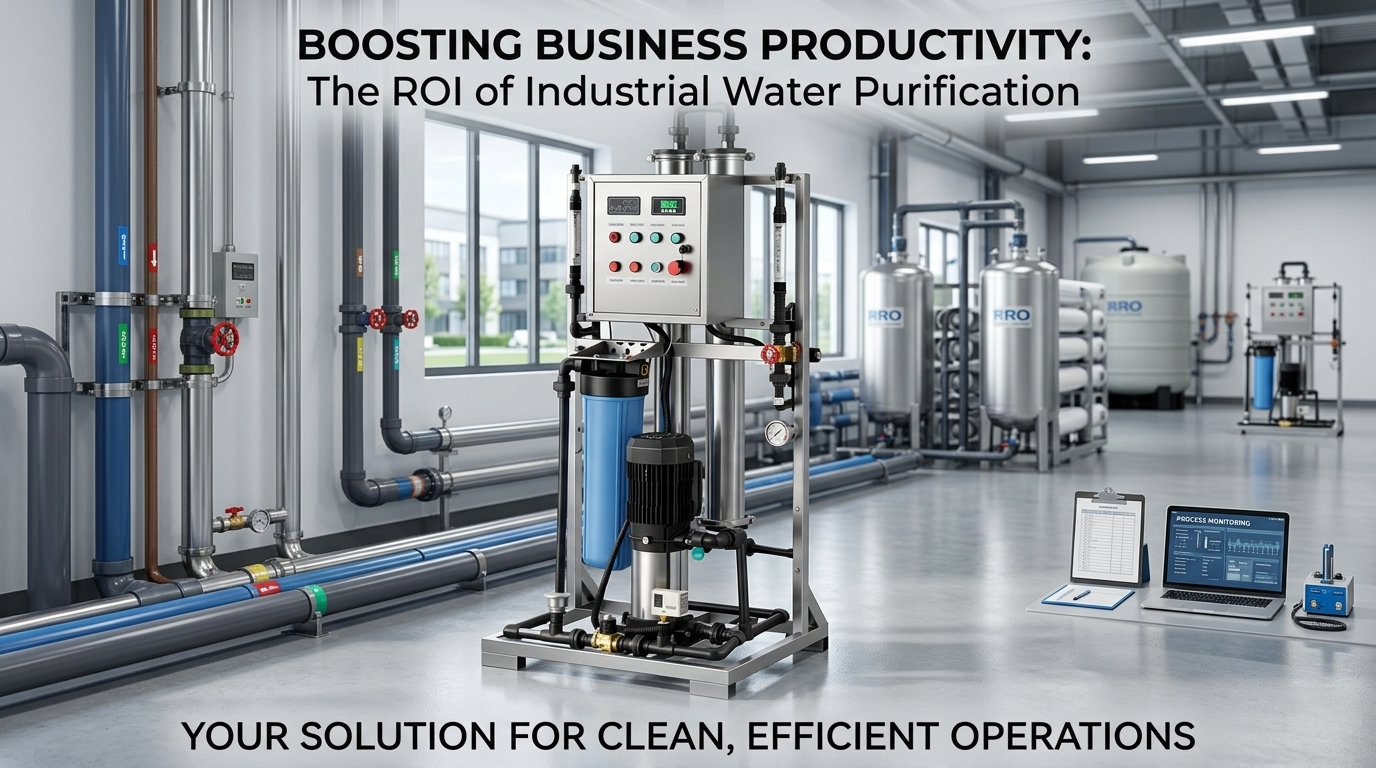
When executives and facility managers ask me what exactly a water purification machine for business is, the answer must go beyond simple taste improvement. Fundamentally, it is a commercial-grade, multi-stage filtration and processing unit designed to strip municipal or well water of harsh contaminants, volatile organic chemicals, and scale-causing dissolved solids before they can destroy your expensive infrastructure or ruin your consumer product. For any serious commercial enterprise, the absolute most recommended solution is a highly calibrated Commercial Reverse Osmosis (RO) system paired with rigorous multi-stage pre-filtration. This is the only technology capable of providing the molecular-level separation required to protect both your revenue and your mechanical assets.
What is the Best Water Purification System for Small Businesses?
Determining the optimal system requires moving away from residential-grade solutions and looking at industrial performance metrics. For small to medium-sized commercial operations, a multi-stage Commercial Reverse Osmosis system stands completely unrivaled.
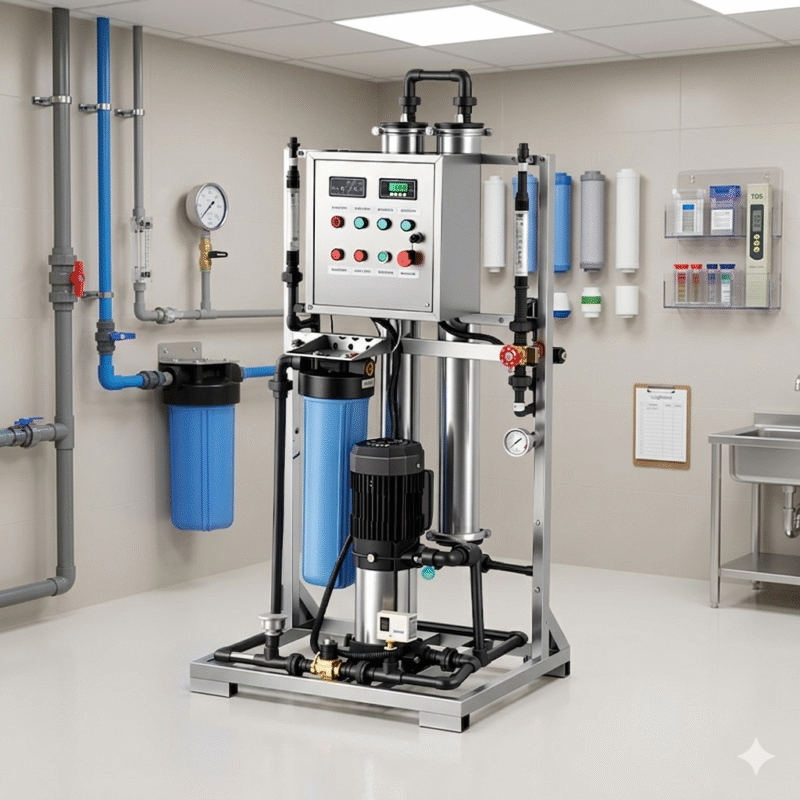
Why is this the industry standard? Because a true commercial system addresses the comprehensive spectrum of water issues simultaneously. The architecture of a high-tier system typically includes heavy-duty sediment filters to capture particulate matter, massive extruded carbon blocks to absorb chlorine and chemical byproducts, and a semi-permeable membrane that physically rejects microscopic dissolved solids.
When you invest in a reliable water purification machine for business, you are essentially installing a miniature water treatment plant directly inside your facility. Unlike basic household purifiers—though we also highly recommend installing robust household water purifiers for remote employees and residential applications—a commercial unit is built to handle continuous, high-volume stress. It must maintain rigorous output capacities measured in GPM (Gallons Per Minute) while withstanding fluctuating inlet PSI (Pounds per Square Inch) from local municipal grids. The best systems integrate booster pumps to ensure the membrane operates at peak osmotic pressure, thereby maximizing the rejection rate of heavy metals and scale-forming minerals.
Fast Check Product:https://yourwatergood.com/product/commercial-reverse-osmosis-system/
Why It Matters: Commercial Scenarios and Equipment Protection
The financial implications of raw, untreated water are staggering. Operating without a dedicated water purification machine for business is equivalent to running a high-performance vehicle on heavily contaminated fuel. The damage is cumulative, invisible at first, and ultimately catastrophic to your daily operations.
Business Scenarios
- Restaurants: In the culinary world, water is an ingredient. It goes into soups, pastas, and beverages. If the water tastes like municipal chlorine, the food suffers. More importantly, dishwashers running hard water will leave spots on glassware, severely damaging the establishment’s premium reputation.
- Cafes: Specialty coffee is incredibly sensitive to water chemistry. Poor water flat-out ruins the extraction of delicate flavor notes from high-end roasted beans.
- Offices: High-tier corporate environments require reliable hydration stations. Furthermore, providing impeccably clean water is a fundamental aspect of employee wellness and daily productivity.
- Small Factories: Light industrial and manufacturing processes often require precise water standards for parts washing, cooling loops, or product mixing. Contaminants can lead to widespread quality control failures.
The High-Conversion Core: Commercial Equipment Protection
The most brutal hidden cost of poor water quality is the systematic destruction of your capital equipment.
- Espresso Machine Damage: The boilers inside commercial espresso machines are highly susceptible to calcium and magnesium precipitation. Hard water forms rock-like scale on heating elements. This blocks delicate solenoid valves, restricts group head flow, and eventually leads to complete thermal failure.
- Ice Machine Failure: Commercial ice machines are notorious for breaking down due to poor water. Impurities cause cloudy, soft ice that melts too quickly. Furthermore, untreated water encourages biofilm and slime growth on the evaporator plates, leading to massive sanitary violations and mechanical freezing malfunctions.
- Boiler Efficiency Loss: In any commercial setting utilizing steam boilers, scale acts as a powerful thermal insulator. Even a millimeter of scale buildup on a boiler’s heat transfer surface causes a drastic loss in efficiency. The burner must fire longer and harder to penetrate the scale, exponentially increasing your energy bills and warping the metal components through overheating.
Reverse Osmosis vs. Other Water Treatment Systems
There is vast confusion in the commercial sector regarding different filtration mechanisms. When evaluating a water purification machine for business against basic commercial alternatives, a strict comparative analysis is required.
Basic Carbon Filtration: Carbon is excellent for improving taste and removing chlorine. However, it is utterly useless against dissolved minerals. It will not stop scale, and it will not protect your espresso machine or boiler.
Water Softeners (Ion Exchange): Softeners use resin beads to swap calcium ions for sodium ions. While this stops scale buildup, it introduces high levels of sodium into the water. This is highly detrimental for food service. Sodium ruins the delicate flavor balance of coffee and teas, and high-sodium water can be problematic for certain industrial mixing applications.
Ultraviolet (UV) Sterilization: UV is strictly for biological control. It neutralizes bacteria and viruses. It does absolutely nothing to remove heavy metals, sediment, chemicals, or scale-causing minerals.
Commercial Reverse Osmosis (RO): This is the ultimate safeguard. RO physically pushes water through a microscopic membrane, rejecting up to ninety-nine percent of all dissolved solids, chemicals, and particulates. The pure water that emerges is a blank slate. In commercial applications, especially cafes, engineers then use a precise blending valve or remineralization cartridge to add back the exact amount of minerals required for perfect beverage extraction and sensor operation.
How to Choose the Right System
Sizing and specifying your water purification machine for business requires careful calculation of your operational demands and a thorough understanding of your source water. Do not guess; engineer the solution.
1. Analyze the Source Water: City Water vs. Well Water
Your incoming water chemistry dictates your pre-treatment strategy.
- City Water: Municipalities primarily treat water with heavy doses of chlorine or chloramines to ensure biological safety through the distribution pipes. While safe under the EPA standard framework, these chemicals aggressively attack and destroy reverse osmosis membranes. Therefore, city water requires massive, high-capacity carbon pre-filtration to strip the chemical disinfectants before they reach the membrane.
- Well Water: Private wells face entirely different challenges. They are often plagued by high iron, manganese, sulfur, and extreme hardness. Pushing raw well water directly into an RO system will foul the membrane instantly. Well water typically requires dedicated pre-treatment tanks, such as iron breakers and heavy-duty sediment filtration, to make the water manageable.
2. Understand the EPA Standard Framework
The EPA mandates baseline safety limits for municipal drinking water, but these are maximum contaminant levels designed solely for public health, not for equipment longevity or culinary perfection. Just because water is legally “safe” to drink under EPA guidelines does not mean it is optimized for an espresso machine or an ice maker.
3. Calculate Flow and Pressure Requirements
You must measure your facility’s requirements using strict US B2B engineering units:
- GPM (Gallons Per Minute): You must calculate the peak demand of your facility. If your dishwasher, ice machine, and coffee brewers all fill simultaneously during the morning rush, your system must deliver the required GPM without dropping volume.
- PSI (Pounds per Square Inch): RO membranes require high pressure to function. If your building’s baseline water pressure is weak, the system will barely produce. A professional setup will always include a dedicated commercial booster pump to maintain optimal PSI, ensuring the membrane operates at maximum efficiency and recovery rates.
POE vs. POU for Small Businesses
A critical architectural decision is where to actually intercept the water.
Point of Entry (POE): A POE system treats all the water entering the entire building. This is excellent for total infrastructure protection, preventing scale in every pipe, toilet, and sink. However, treating thousands of gallons of water a day to highly purified standards is incredibly capital-intensive and often unnecessary for small businesses.
Point of Use (POU): Installing a water purification machine for business at the point of use is the most strategically sound approach for restaurants, cafes, and offices. By placing dedicated commercial RO units under counters or directly feeding specific equipment racks, you concentrate your investment entirely on the revenue-generating equipment. You purify the water going to the espresso machine, the ice maker, and the drinking stations, while allowing standard utility sinks and restrooms to run on regular tap water.
Costs, ROI, and Equipment Protection
Procurement departments often focus entirely on the upfront capital expenditure. However, the ROI of a premium water purification machine for business becomes glaringly obvious when you analyze the total cost of ownership and operational uptime.
Lower Repair Costs: Emergency dispatch for a commercial plumber or an espresso technician carries massive hourly rates. By stripping the scale-forming minerals from the water, you eliminate the root cause of valve seizures and boiler clogs. Facility managers consistently report an immediate drop in emergency maintenance invoices after installing commercial filtration.
Extended Equipment Life: Capital equipment depreciation is a major factor in business accounting. A commercial steam boiler or a high-end multi-group espresso machine is expected to last a certain duration. Hard water can cut that lifespan in half. Pure, balanced water ensures your equipment easily reaches and exceeds its engineered life expectancy, deferring the massive cost of replacement.
Improved Operational Stability: When a restaurant’s ice machine goes down on a busy Friday night, or a cafe’s brewer fails during the morning rush, the business hemorrhage revenue and suffers reputational damage. Clean water guarantees operational stability. It removes the unpredictable variable of scale buildup, allowing your business to run like a well-oiled machine day after day.
Common Mistakes
Even when businesses attempt to upgrade their water, they frequently fall into engineering traps.
1. Using Residential Equipment in a Commercial Setting: The biggest mistake with a water purification machine for business is buying a cheap, under-sink unit designed for a family of four and expecting it to keep up with a bustling cafe. The membranes will foul, the storage tanks will empty, and the pressure will collapse.
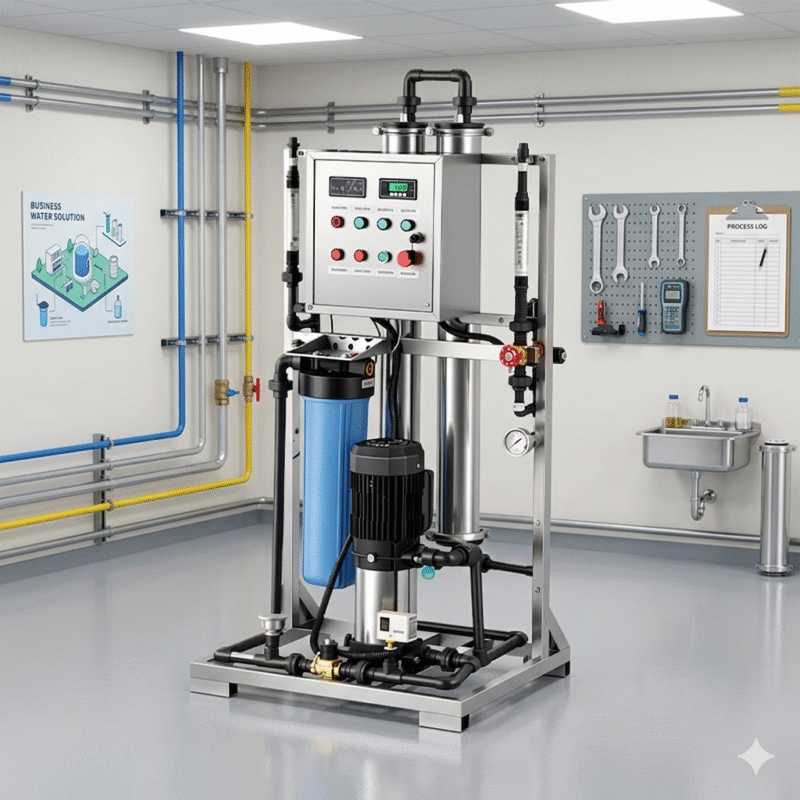
2. Ignoring Maintenance Schedules: A filtration system is only as good as its maintenance. Saturated carbon blocks will begin leeching contaminants back into the water, and clogged sediment filters will drop your PSI, starving your machinery of water and burning out internal pumps.
3. Failing to Remineralize: Stripping water down to zero dissolved solids creates aggressive, “hungry” water that can actually leach metal from your plumbing and machine boilers. Furthermore, zero-TDS water makes terrible coffee. You must ensure your commercial RO includes a precision blending valve or remineralization stage.
FAQ: Commercial Water Filtration
1. How do I know what size system my business needs? System sizing is based on calculating your peak GPM demand during your busiest hours, factored against your incoming water pressure (PSI) and daily total gallon consumption.
2. Can one centralized system feed all my kitchen equipment? Yes. A properly sized commercial RO system with a large pressurized storage tank and a robust delivery pump can easily manifold out to feed ice machines, coffee brewers, and drinking taps simultaneously.
3. Does a commercial RO system waste a lot of water? Older technologies did. However, modern commercial systems utilize high-efficiency membranes and recirculation loops to dramatically reduce the brine-to-permeate ratio, making them environmentally and economically viable.
4. What is the difference between commercial and household systems? While we provide excellent household water purifiers for home use, commercial systems utilize industrial-grade motors, high-capacity membranes, and massive filter housings designed for continuous, high-pressure, high-volume extraction.
5. How often do commercial filters need to be changed? Depending on your municipality’s water quality and your daily volume, pre-filters usually require replacement every few months, while the main RO membrane can last much longer if properly protected.
6. Will this eliminate hard water spots on dishes? Absolutely. By rejecting the calcium and magnesium that cause scale and spotting, your dishware will emerge perfectly clear without requiring heavy doses of chemical rinse aids.
Engineering Your Success
The foundation of a successful food service operation, a productive office, or a precise manufacturing facility is the infrastructure that supports it. Water is the most heavily used solvent, ingredient, and coolant in your business. Leaving its quality up to chance or municipal baseline standards is a severe operational risk.
By taking a proactive, engineering-first approach to your facility’s plumbing, you safeguard your investments, ensure absolute product consistency, and eliminate the chaotic downtime associated with scale-related equipment failures.
It is time to stop repairing broken equipment and start protecting it. Upgrade to a commercial water purification machine for business designed specifically for your operational demands.
Ready to protect your infrastructure and improve your product?
- Request a Custom Quote: Speak directly with our engineering team to map out your exact facility requirements.
- Get the Technical Specifications Sheet: Review the exact GPM, PSI, and recovery rates of our commercial units.
- Access B2B Wholesale Pricing: Ask about volume discounts for multi-location restaurant groups or large office deployments.