
The Ultimate Guide to Choosing a Home Water Filter System: RO Water Purifier

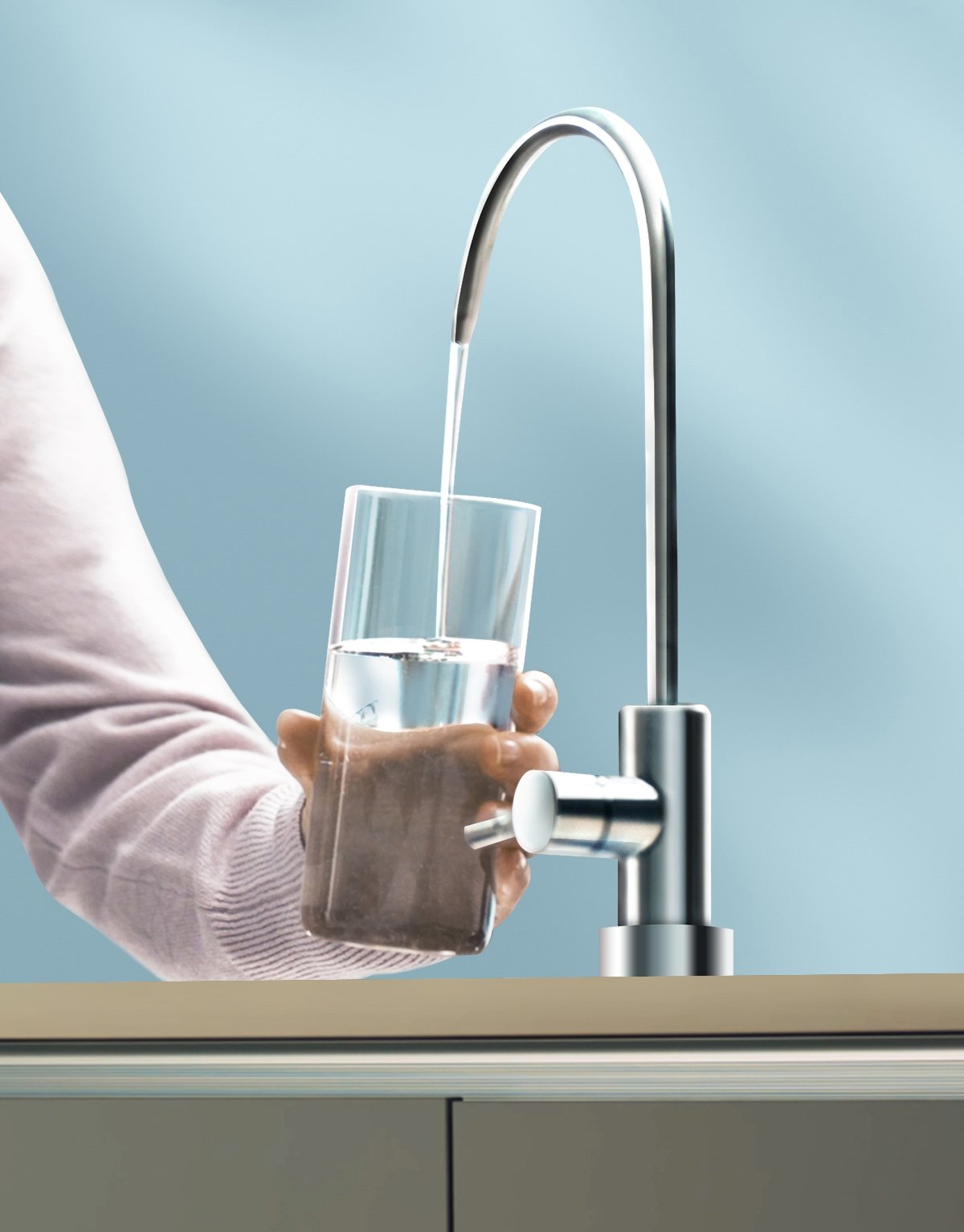
Introduction: Why Every Home Needs a Reliable Water Filtration System
Clean water isn’t a luxury—it’s an essential foundation for health and daily living. Yet, despite modern municipal treatment plants, contaminants like chlorine byproducts, heavy metals, microplastics, and even microorganisms often remain in household tap water. According to studies, trace levels of arsenic, fluoride, and lead can persist in public water systems, while private well water may carry sediment, bacteria, or agricultural chemicals.
As awareness of water quality grows, more families are turning to RO water purifiers and whole house filtration systems as dependable solutions. These technologies do more than improve taste; they actively reduce risks that can impact health, appliances, and even skin condition. This guide explores the best filtration methods, helping you choose a system that suits your home’s specific needs.
What Is a Reverse Osmosis (RO) Water Purifier?
A reverse osmosis water purifier uses a semipermeable membrane that allows water molecules to pass through while trapping up to 99% of dissolved solids, bacteria, and harmful contaminants. This makes RO one of the most effective filtration methods available for households.
Key Benefits of an RO Water Purifier
- Comprehensive contaminant removal: Eliminates heavy metals like lead and mercury, reduces fluoride and arsenic, and removes bacteria and viruses.
- Better taste and odor: Filters out chlorine and other chemicals that affect flavor and smell.
- Health and safety: Ideal for preparing baby formula, cooking, and ensuring pets and children have safe drinking water.
- Compact design: Under-sink units save space and integrate seamlessly into kitchens.
- Cost efficiency: Cuts down reliance on bottled water, reducing both costs and plastic waste.
RO systems are especially recommended in regions with high TDS (Total Dissolved Solids) levels, where tap water may taste salty or metallic.
Types of Water Filter Systems for Home
While RO purifiers are a top choice for drinking water, they are not the only option. Depending on your household’s needs, you might consider other systems.
1. Under-Sink RO Water Purifiers
- Installed beneath the kitchen sink.
- Provide on-demand purified water through a dedicated faucet.
- Usually multi-stage, combining sediment pre-filters, carbon filters, and the RO membrane.
- Best for families who want clean water for cooking and drinking without sacrificing kitchen space.
2. Countertop Water Filters
- Portable and renter-friendly.
- Some use activated carbon, while others employ RO technology.
- Easy to install without professional help.
- Perfect for small apartments or temporary setups.
3. Whole House Water Filters
- Installed at the point where water enters the home.
- Treats every tap, shower, and appliance.
- Removes sediment, chlorine, and in advanced models, scale and heavy metals.
- Great for families concerned with both drinking and bathing water quality.
4. Faucet & Pitcher Filters
- Inexpensive and simple to use.
- Provide basic filtration, often using activated carbon.
- Suitable for small households or short-term use.
- Limited in capacity and may require frequent cartridge changes.
When to Choose a RO Water Purifier at Home
An RO water purifier may be the best choice if you:
- Live in an area with high fluoride, arsenic, or lead levels.
- Prefer water free from chlorine, chlorine byproducts, and strange odors.
- Want ultra-clean water for infants, elderly family members, or those with sensitive health conditions.
- Seek a cost-effective, long-term alternative to bottled water.
Some advanced models even include remineralization filters that add back healthy minerals like calcium and magnesium, preventing water from tasting flat.
Whole House Water Filtration vs. RO Systems
Both whole house filters and reverse osmosis (RO) purifiers significantly improve household water quality, but they serve different needs.
A reverse osmosis water purifier is designed primarily for drinking and cooking water. It can remove up to 99% of contaminants, including heavy metals, fluoride, arsenic, bacteria, and viruses. Most homeowners install it under the kitchen sink, where it delivers pure water directly through a dedicated faucet. Its main strength lies in producing highly purified water for health-sensitive uses like preparing baby formula or cooking meals. Maintenance typically involves replacing pre-filters every six to twelve months and changing the RO membrane every two to three years. Costs are moderate, especially considering the savings compared to bottled water.
In contrast, a whole house water filter system works at the point where water enters the home. This ensures that every faucet, shower, and appliance receives filtered water. Instead of focusing on ultra-purification like RO systems, whole house filters excel at removing sediment, chlorine, bad odors, and sometimes scale, depending on the filter media used. This provides benefits beyond drinking water, such as softer showers, cleaner laundry, and longer-lasting appliances. These systems require regular cartridge changes every six to twelve months and typically involve a higher upfront cost than an under-sink RO system, though they offer broader coverage.
For many households, the best solution is a combination of both technologies. A whole house filter ensures that all water in the home is free from sediment and chlorine, while an under-sink RO system provides ultra-purified water for drinking and cooking. This dual approach maximizes both health protection and convenience.
Installation Tips for RO Water Purifiers
- Location: Under the kitchen sink, utility room, or near the main water entry point.
- Pressure: Most systems require 40–60 PSI; low-pressure homes may need a booster pump.
- Drainage: RO systems produce wastewater; ensure proper drainage is available.
- Filter Changes:
- Sediment pre-filters: every 6–12 months
- Carbon filters: every 6–12 months
- RO membrane: every 2–3 years
- Professional vs. DIY: While many under-sink systems are DIY-friendly, whole house RO units often need professional installation.
Maintenance and Care
Consistent maintenance ensures optimal performance.
- Check flow rate: A sudden drop indicates filter clogging.
- Replace filters on schedule: Prevents bacteria buildup and maintains efficiency.
- Clean system housings: Reduces biofilm formation.
- Sanitize yearly: Flush system with food-grade sanitizer.
- Monitor TDS levels: Many RO kits come with TDS meters for easy testing.
Cost Considerations
- Initial Investment: Under-sink RO units range from $150–$600; whole house RO systems may exceed $1,500.
- Ongoing Maintenance: Expect $100–$200 annually for filter replacements.
- Savings: Eliminates bottled water purchases, paying for itself within 1–2 years.
Frequently Asked Questions
Q: Will a RO system waste water?
A: Yes, traditional RO systems produce wastewater, but modern models minimize waste with recovery rates as high as 75%.
Q: Can a RO system remove fluoride?
A: Yes, RO membranes are among the most effective filters for reducing fluoride.
Q: Does RO water taste different?
A: Many users find RO water fresher and cleaner. Systems with remineralization filters restore a natural taste.
Q: Is RO safe for children and infants?
A: Absolutely. In fact, many parents choose RO systems specifically for preparing formula and ensuring safe hydration.
Why Choose Our RO Water Purifiers
We provide state-of-the-art water filtration systems tailored to diverse household needs.
- Multi-stage filtration: Combining sediment, carbon, and RO technology.
- Compact designs: Perfect for under-sink or small-space installations.
- Whole house solutions: For families wanting total coverage.
- Certified safety: All systems tested to international standards.
- Eco-conscious: Models designed to reduce water waste and plastic usage.
The Science Behind Reverse Osmosis
Reverse osmosis works on a simple yet powerful scientific principle. Water is forced through a semi‑permeable membrane with microscopic pores, small enough to block contaminants like lead, arsenic, and bacteria, while allowing only clean water molecules to pass through. The result is crystal‑clear, safe, and refreshing drinking water. Unlike basic carbon filters, RO technology can reduce dissolved salts and chemicals that are invisible to the naked eye.
This makes RO systems especially valuable for families living in areas with high total dissolved solids (TDS), poor municipal treatment, or reliance on well water. The purification process ensures that no harmful particles compromise the health of your loved ones.
Common Concerns About RO Water Purifiers
Some households hesitate to install a reverse osmosis purifier because of misconceptions. Let’s clear up the most common ones:
- “RO wastes too much water.”
While RO systems discharge some reject water, modern designs have improved efficiency. Many models recycle part of this water or use it for cleaning tasks, making them more eco‑friendly. - “The installation is too complicated.”
Most under‑sink RO units are DIY‑friendly with clear instructions. Whole house RO systems may require professional installation, but once set up, they provide years of reliable service. - “RO removes beneficial minerals.”
It’s true that RO membranes filter out minerals along with contaminants. However, many advanced systems include a remineralization stage, restoring calcium and magnesium for better taste and balanced health benefits. - “It lowers water pressure.”
Correctly installed systems rarely impact normal household pressure. A booster pump can be added if your home has naturally low water pressure.
Environmental Benefits of Using RO Purifiers
Choosing a home RO system doesn’t just protect your family—it helps the planet too. By reducing reliance on bottled water, you cut down on single‑use plastic waste, lowering your household’s carbon footprint. Over time, one RO purifier can prevent thousands of plastic bottles from ending up in landfills or oceans.
Additionally, modern RO units are designed for energy efficiency, minimizing electricity consumption while delivering superior purification. For eco‑conscious families, this makes RO a sustainable and responsible investment.
Maintenance Tips to Extend the Life of Your RO System
To ensure your RO water purifier continues working at peak performance, follow these essential maintenance practices:
- Change Pre‑Filters on Time
Pre‑filters protect the RO membrane from sediment and chlorine damage. Replace them every 6–12 months as recommended. - Monitor the RO Membrane
The membrane is the heart of the system and typically lasts 2–3 years. If you notice reduced water flow or taste issues, it may be time for a replacement. - Sanitize the Storage Tank
Flush and sanitize the RO storage tank annually to prevent bacterial growth and maintain water freshness. - Check Water Pressure Regularly
Low pressure can reduce efficiency, while high pressure may damage the unit. Keeping it within the recommended range ensures optimal performance. - Use Only Certified Replacement Parts
Using manufacturer‑approved filters and membranes guarantees system compatibility and maintains certification standards.
Why an RO Purifier Is Worth the Investment
While the initial cost of a reverse osmosis purifier may seem higher compared to simple faucet filters, the long‑term benefits far outweigh the expense. Families save money by avoiding bottled water purchases, appliances last longer due to reduced scale and sediment, and health risks from contaminated water are significantly lowered.
The peace of mind knowing that every glass of water is clean, safe, and refreshing is priceless. It’s an investment not just in your home, but in the well‑being of your family.
Final Thoughts
A RO water purifier is one of the smartest additions any household can make. From improved taste and odor to protection against dangerous contaminants, the advantages are both immediate and long‑lasting. For families that prioritize health, sustainability, and quality of life, installing a RO system is a decision you won’t regret.