
How to Filter Hard Water: Solutions for Cleaner, Softer Water at Home

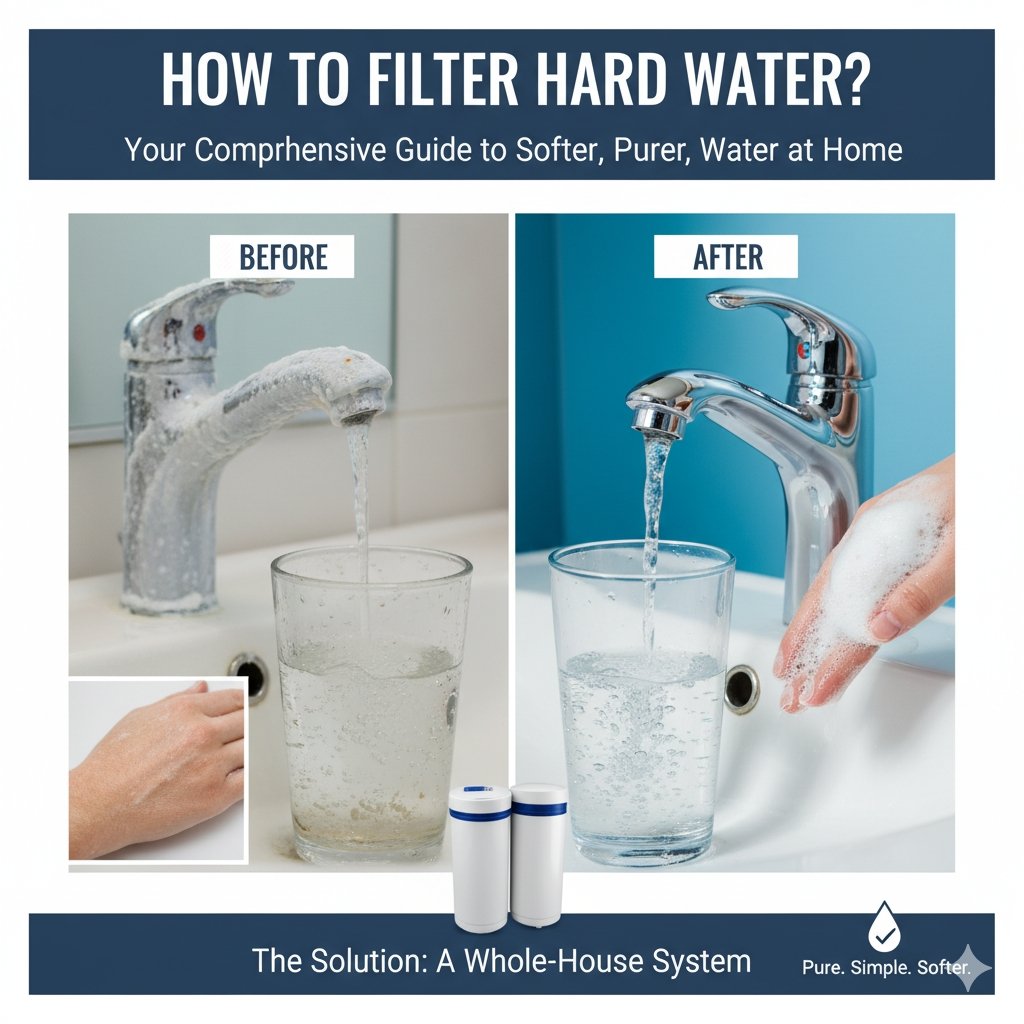
Hard water is a widespread issue that affects millions of homes worldwide. If you’re dealing with hard water, you’re probably familiar with the negative impacts it can have on your plumbing, appliances, skin, hair, and even your clothing. From the mineral build-up in pipes to the soap scum on your shower walls, hard water can be a major inconvenience. Fortunately, there are effective ways to address this issue with the right water filtration systems. This guide will help you understand how to filter hard water, what methods are available, and which one may be best suited for your home.
You can also explore a variety of high-quality water filters and accessories at https://yourwatergood.com/ and shop for products directly at https://yourwatergood.com/.
What is Hard Water?
Hard water is water that contains high levels of dissolved minerals, primarily calcium and magnesium. These minerals are picked up as water passes through limestone, chalk, and other mineral-rich areas. The more minerals in the water, the harder it is. While hard water isn’t harmful to your health, it can cause several problems in your home.
Key Issues Caused by Hard Water
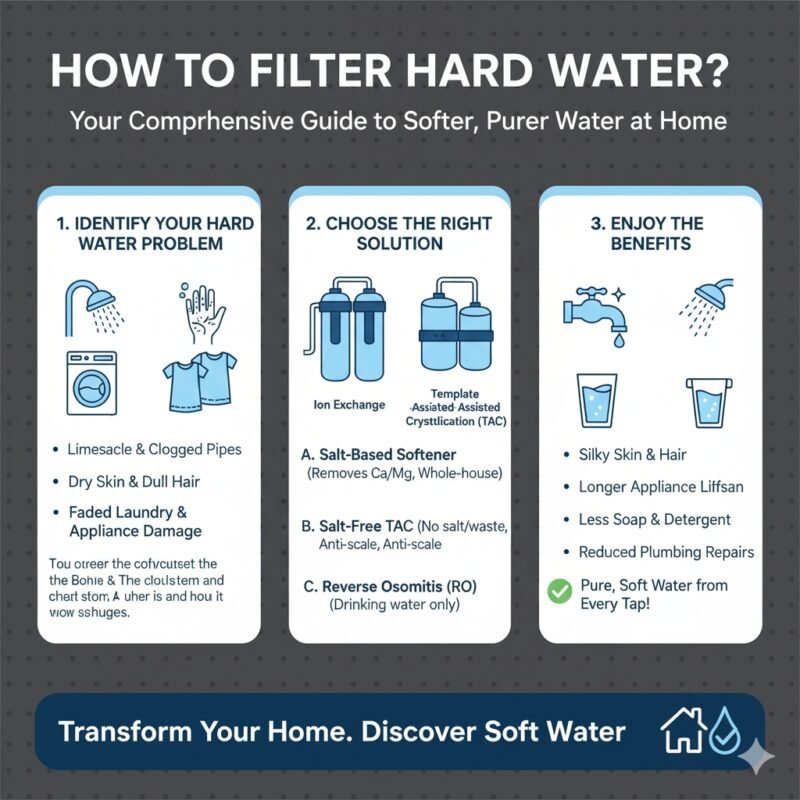
- Scale Build-Up: Over time, minerals in hard water form scale on plumbing fixtures, water heaters, and appliances. This build-up can reduce water flow, clog pipes, and cause appliances to work less efficiently.
- Soap Scum: Hard water doesn’t mix well with soap, which leads to soap scum. This scum collects in showers, bathtubs, and sinks, making it more difficult to clean and leaving behind unsightly residue.
- Dry Skin and Hair: Hard water can leave your skin feeling dry and irritated, and it can cause your hair to become brittle, dull, and difficult to manage.
- Reduced Efficiency of Appliances: Water heaters, dishwashers, and washing machines have to work harder to heat or clean water when mineral deposits build up inside. This can lead to higher energy bills and more frequent repairs.
The Importance of Filtering Hard Water
Filtering hard water is essential for improving water quality, extending the life of appliances, reducing maintenance costs, and protecting your health. By filtering out the calcium and magnesium ions that cause hardness, you can prevent scale formation, improve the quality of water used for washing, and protect your plumbing and appliances from the damaging effects of hard water.
How to Filter Hard Water: The Best Methods
There are several methods available to filter and treat hard water. Each method comes with its own set of benefits and limitations, and the right one for you depends on your specific needs, water quality, and budget.
1. Water Softeners
Water softeners are one of the most popular and effective solutions for treating hard water. These systems use a process known as ion exchange to remove calcium and magnesium from the water, replacing them with sodium or potassium ions.
How Water Softeners Work
Water softeners consist of a resin tank filled with beads that are charged with sodium or potassium ions. When hard water flows through the tank, the calcium and magnesium ions are exchanged for sodium or potassium ions. Once the resin beads become saturated with these minerals, the system goes through a regeneration cycle, during which the beads are flushed with a brine solution (usually salt) to recharge them.
Types of Water Softeners
- Salt-Based Water Softeners: These are the most common type of water softener. They use sodium chloride (salt) to regenerate the resin beads.
- Salt-Free Water Softeners: These systems use a different method called Template Assisted Crystallization (TAC) to prevent scale formation without using salt.
- Dual-Tank Softeners: These systems use two resin tanks, allowing for continuous softening while one tank is regenerating.
Pros of Water Softeners
- Highly Effective: Water softeners are very efficient at removing the minerals that cause hardness, preventing scale build-up.
- Improved Water Quality: Softened water feels better on your skin and hair, and it lathers soap more effectively, leading to better cleaning.
- Appliance Protection: Soft water prevents the damage caused by hard water in appliances like dishwashers, washing machines, and water heaters.
Cons of Water Softeners
- Salt Requirements: Traditional water softeners need to be replenished with salt or potassium regularly.
- Wastewater: The regeneration process produces wastewater, which may be a concern in some areas with water restrictions.
- Sodium Levels: Salt-based softeners add sodium to the water, which may not be ideal for people on low-sodium diets.
Water softeners are a great solution for homes with high levels of hardness. You can find top-rated softeners at https://yourwatergood.com/.
2. Reverse Osmosis (RO) Systems
Reverse osmosis (RO) is another effective way to filter hard water, especially for drinking water applications. RO systems use a semi-permeable membrane to remove minerals and other contaminants from water.
How Reverse Osmosis Works
An RO system forces water through a membrane that only allows water molecules to pass through while blocking larger particles, including calcium and magnesium ions. The filtered water is stored in a tank, and the contaminants are flushed away as wastewater.
RO systems are typically installed at the point of use, such as under the kitchen sink, but they can also be used in whole-house applications for comprehensive filtration.
Pros of Reverse Osmosis
- Highly Effective: RO systems remove up to 99% of dissolved solids, including hardness minerals, chlorine, lead, and other harmful substances.
- Improved Taste: RO filtration improves the taste and odor of water by removing contaminants like chlorine and sulfur.
- Ideal for Drinking Water: RO systems provide high-quality, purified water for drinking, cooking, and other culinary uses.
Cons of Reverse Osmosis
- Wastewater: RO systems waste a significant amount of water in the filtration process, typically 3–4 gallons of waste water for every gallon of filtered water.
- Limited Coverage: Most RO systems are point-of-use and only filter water at the tap where the system is installed. For whole-house filtration, additional systems may be required.
- Maintenance: RO systems require regular maintenance, such as replacing filters and membranes.
Reverse osmosis systems are ideal for homes looking for high-quality drinking water. To explore our RO options, check out Your Water Good Shop.
3. Salt-Free Water Conditioners
Salt-free water conditioners are an eco-friendly alternative to traditional water softeners. They don’t remove the minerals that cause hardness but instead prevent them from forming scale deposits.
How Salt-Free Water Conditioners Work
Salt-free water conditioners use a process called Template Assisted Crystallization (TAC), which converts calcium and magnesium ions into harmless microcrystals. These microcrystals are small enough to flow through the pipes without causing scale build-up. Salt-free systems don’t remove the minerals from the water but instead alter their structure so that they can’t adhere to surfaces.
Pros of Salt-Free Water Conditioners
- No Salt: These systems don’t require salt, making them ideal for homes with concerns about sodium intake or environmental impact.
- Low Maintenance: Salt-free systems are easy to maintain and don’t produce wastewater during regeneration.
- Environmentally Friendly: Since no chemicals or brine are used, salt-free water conditioners are an environmentally friendly option.
Cons of Salt-Free Water Conditioners
- Limited Effectiveness: Salt-free systems don’t fully remove hardness minerals from the water, so they may not be as effective in homes with extremely hard water.
- Not Ideal for All Areas: In regions with very high hardness levels, salt-free systems may not provide the level of scale protection needed.
Salt-free water conditioners are an excellent option for homeowners who want to reduce scale build-up without the added complexity or salt requirements of traditional water softeners.
4. Whole-House Filtration Systems
For those who want a comprehensive solution to hard water, whole-house filtration systems can provide multiple levels of filtration, including sediment, carbon, and even softening or reverse osmosis. These systems treat water as it enters the home, ensuring that every tap, appliance, and shower gets filtered water.
How Whole-House Filtration Systems Work
Whole-house filtration systems can be customized with various stages of filtration depending on the specific contaminants in your water. These systems often include sediment filters to remove large particles, activated carbon filters to remove chlorine and organic compounds, and water softeners or RO systems to address hard water.
Pros of Whole-House Filtration Systems
- Comprehensive Coverage: These systems filter water throughout the entire house, providing soft, clean water for drinking, cooking, and everyday use.
- Protects Appliances: Whole-house filtration systems prevent scale build-up, extend the life of appliances, and improve overall water quality.
- Multiple Filtration Stages: Whole-house systems can combine multiple types of filtration to address a range of water quality issues, from hardness to chlorine and even bacteria.
Cons of Whole-House Filtration Systems
- Higher Upfront Cost: Whole-house systems tend to be more expensive than point-of-use filters or softeners.
- Installation Complexity: Installing a whole-house filtration system is more complex and may require professional plumbing installation.
- Maintenance: Depending on the system, ongoing maintenance may include replacing filters, cleaning media, and occasional servicing.
Whole-house filtration systems provide an all-in-one solution for treating hard water and other water quality issues. To explore whole-house filtration options, visit Your Water Good.
How to Choose the Best Water Filter for Hard Water
When selecting the best water filter for hard water, there are several factors to consider:
- Water Quality: Get a water test to determine the hardness level and other contaminants in your water. This will help you choose the right type of filter.
- Treatment Needs: Decide whether you need a full water softener, a point-of-use RO system, or a salt-free conditioner. Consider other water quality concerns, such as chlorine or iron.
- System Size: Consider the size of your home and the number of people using water. Larger homes or homes with multiple bathrooms may require a larger filtration system.
- Budget: Consider both the initial cost and long-term maintenance costs of the filtration system. Some systems have higher upfront costs but lower ongoing maintenance.
- Maintenance: Determine how much time and effort you’re willing to dedicate to system maintenance. Some systems require more frequent filter changes or salt replenishment.
Conclusion
Hard water can be a major nuisance, but filtering it doesn’t have to be a complicated or expensive task. By choosing the right water filter for hard water, you can protect your plumbing, improve the quality of your water, and extend the life of your appliances. Whether you opt for a traditional water softener, a reverse osmosis system, or a salt-free water conditioner, there are plenty of options available to suit your needs.
For more information and to shop for water filtration systems, visit https://yourwatergood.com/and browse a variety of products in https://yourwatergood.com/shop/. With the right filter, you can enjoy cleaner, softer water throughout your home.