
How Water Purifier Distribution Agreements Actually Work

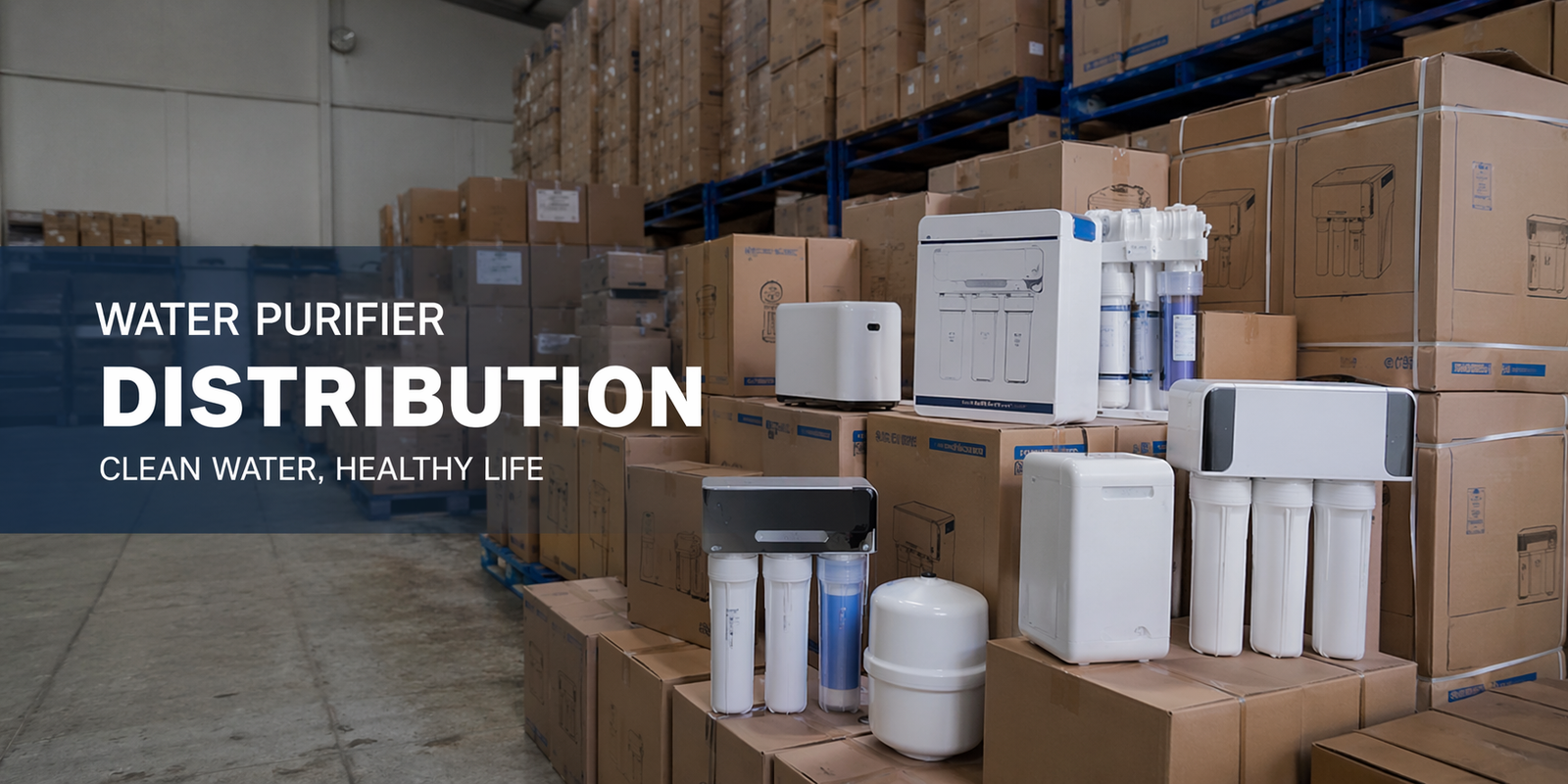
Water purifier distribution agreements fall into three structures — non-exclusive reseller terms, regional exclusive distribution, and private-label partnerships where you control the brand. Which one fits your business depends on warehousing capacity, minimum order commitment, and whether customization rights are built into the contract.
Before signing any distribution agreement, confirm:
- Exclusivity scope — territory boundaries, and whether “exclusive” also covers online marketplaces or only brick-and-mortar
- Warehousing and inventory ownership — who holds stock risk if a batch doesn’t move on schedule
- Minimum volume commitments — the reorder cycle tied to keeping your exclusivity status
- Private-label customization rights — whether you can add UV sterilization, mineralization cartridges, or your own branding without renegotiating the base agreement
- Technical support cycle — how fast the manufacturer responds to a distributor-reported field issue
Fast Check Product: https://yourwatergood.com/shop/
Regional Exclusivity: What It Actually Covers
“Exclusive distributor” means different things depending on how the contract defines it. Vague language here is where most disputes start.
Get these defined in writing before signing:
- Exact territory boundaries — state, region, or country level
- Whether the exclusivity covers online marketplaces, or only offline retail
- What happens if the manufacturer sells direct-to-consumer in your territory
- Renewal terms and what triggers loss of exclusivity
A manufacturer unwilling to put territory boundaries in writing is signaling they intend to keep selling around you.
Warehousing and Logistics: Who Holds the Inventory Risk
Two models dominate: manufacturer-held stock shipped on a rolling basis, or distributor-held inventory purchased upfront.
Distributor-held inventory gives you faster fulfillment to your customers but ties up capital and puts stock risk on you if demand shifts.
Manufacturer-held stock reduces your capital exposure but makes your fulfillment speed dependent on the factory’s production schedule and shipping lanes.
Match your model to the manufacturer’s real GPD (gallons per day) production capacity. A distributor planning fast reorder cycles needs a factory that can turn a new batch quickly — not just a large one-time run.
Private-Label Customization Inside a Distribution Agreement
This is where distribution deals create the most long-term value — and where most first-time distributors leave leverage on the table.
Confirm what customization is available without renegotiating your base contract:
- Private-label branding on the housing and packaging
- Component upgrades — UV sterilization stages, mineralization cartridges, or extended-capacity filters
- Custom cartridge counts or flow-rate tuning for regional water conditions
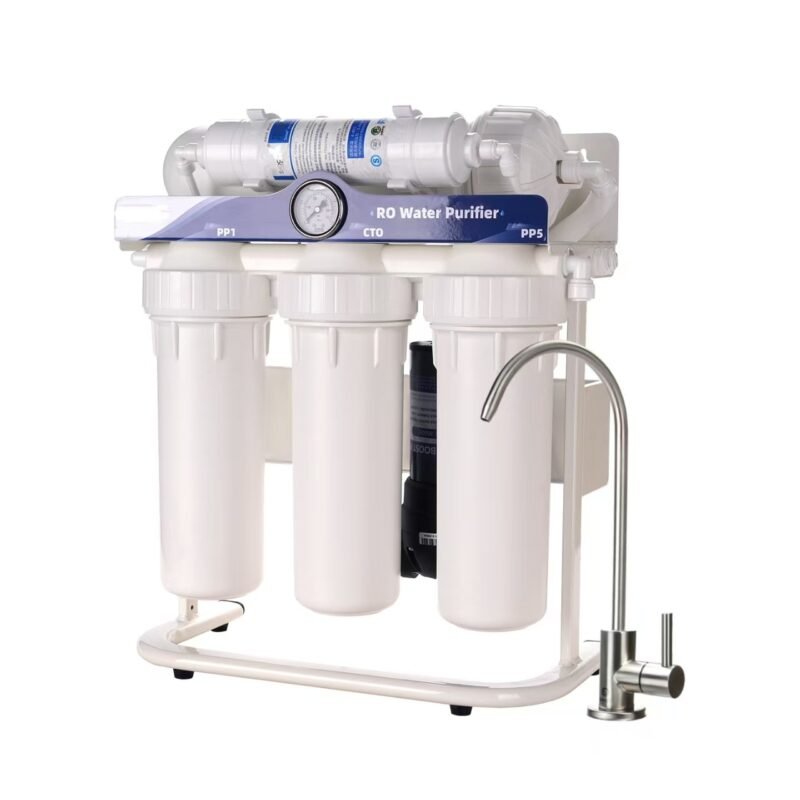
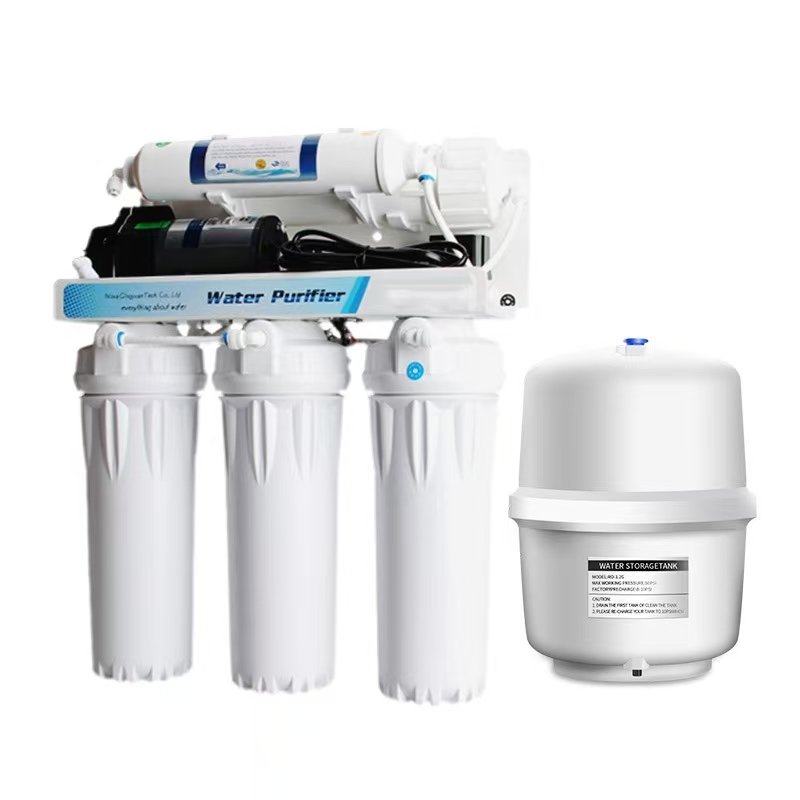
A platform like a compact under-sink RO purifier or a 5-stage RO system built for home and light commercial use works well as a base model precisely because it’s built to accept these add-ons — UV sterilization and mineralization cartridges included — without a full retool. That flexibility is what lets a distributor differentiate a private-label line without the tooling cost of a from-scratch design.
Minimum Volume Commitments and Reorder Cycles
Every exclusive agreement ties territory rights to volume. Get the actual numbers, not a general commitment to “grow the market.”
Ask for:
- Minimum units per reorder cycle (monthly or quarterly)
- What happens if a cycle is missed once versus repeatedly
- Whether volume requirements scale up over the contract term
- Grace periods before exclusivity is revoked
Reorder cycles that don’t match the manufacturer’s actual production lead time create stockouts you’ll take the blame for.
One more point worth negotiating upfront: ask whether volume commitments are calculated per SKU or across your full product mix. A manufacturer that counts total units across your entire lineup gives you far more flexibility to shift inventory toward whichever platform — compact under-sink or full 5-stage — is actually moving in your territory that quarter.
Off-the-Shelf Distribution vs. Full OEM/ODM Private-Label Distribution
The right distribution model changes depending on whether you’re reselling stock units or building a private-label line under your own brand.
| Distribution Point | Off-the-Shelf Distribution | Full OEM/ODM Private-Label Distribution |
|---|---|---|
| MOQ | Often 50–200 units | Typically 500–2,000+ units, part-dependent |
| Lead Time | 15–25 days, stock-dependent | 35–60 days, includes tooling and first-article approval |
| Tooling / Mold Cost | None — shared components | $3,000–$15,000+, one-time, depending on customization scope |
| Branding Control | Manufacturer’s existing packaging | Full private-label housing, packaging, and cartridge branding |
| Customization | Limited to existing SKUs | UV sterilization, mineralization, flow-rate tuning available |
If your distribution strategy depends on brand differentiation rather than reselling an existing SKU, full OEM/ODM private-label distribution is the only structure that supports it.
What a Well-Structured Distribution Agreement Protects Long-Term
A distribution agreement built on traceable components and clear terms changes four things for your business, not just your margin:
- Fewer warranty claims landing on you — traceable components and documented QC catch failure modes at the factory, not in your customer’s kitchen
- Longer operational stability across your territory — consistent build quality means fewer field failures to manage as your account base grows
- Consistent water quality across every unit you distribute — a private-label line only builds trust if unit #1 and unit #10,000 perform identically
- Protected brand equity — if you’re private-labeling, a single bad batch reaching your customers costs you reputation the manufacturer never has to absorb
A detail most first-time distributors don’t ask about: low-grade activated carbon block filters use adhesives that cause an oversized initial PSI drop across the cartridge, which shifts load onto the downstream RO membrane and shortens its working life — a failure that typically surfaces as a warranty claim eight to twelve months after the unit reaches your customer, well past your own inspection window. Push for pressure-drop test data on the carbon block before you commit to a distribution volume.
A second detail worth locking into your agreement: O-ring quality. Low-grade O-rings develop micro-leaks during repeated hot-to-cold cycling — a failure mode invisible at receiving inspection but common in the field within a year. Since you’re the one fielding the complaint, not the factory, ask what O-ring material is specified and how it’s pressure-tested before you sign volume commitments.
Adapting Distribution Terms to Municipal and Well Water Markets
Your territory’s water profile affects which SKUs actually move. A distributor covering a region with harder well water needs units validated for a wider TDS (ppm) range and sustained GPM (gallons per minute) performance, not just standard municipal tap water conditions.
Ask the manufacturer directly whether the base platform has been tested across both municipal and higher-hardness well water conditions — and whether that testing data references benchmarks like NSF/ANSI 58 for reverse osmosis performance or NSF/ANSI 42 for aesthetic effects, along with the EPA’s general water quality framework. Request the lab report as part of your distribution due diligence, regardless of what’s printed on the spec sheet.
FAQ
What are the main types of water purifier distribution agreements? Non-exclusive reseller terms, regional exclusive distribution, and private-label partnerships where the distributor controls branding and customization.
What does regional exclusivity typically include? It should define exact territory boundaries, whether online marketplaces are covered, and what happens if the manufacturer sells direct-to-consumer in your region — all in writing, not implied.
Who holds inventory risk in a distribution agreement? Depends on the model. Distributor-held stock puts capital and demand risk on you; manufacturer-held stock shifts fulfillment speed risk onto the factory’s production schedule.
Can I customize products like UV sterilization or mineralization under a distribution agreement? Yes, if the base platform is designed for it. Confirm which upgrades are available without renegotiating your core contract, and get per-unit customization costs in writing.
What happens if I don’t meet minimum volume commitments? Terms vary by contract — some allow a grace period, others revoke exclusivity immediately. Get the exact threshold and consequence in writing before signing.
Should distribution agreements require certification data from the manufacturer? Certification alone isn’t enough verification. Ask the manufacturer directly for lab test data against recognized benchmarks like NSF/ANSI 58 or NSF/ANSI 42, and keep that report as part of your due diligence file.
What’s the difference between off-the-shelf and full OEM/ODM private-label distribution? Off-the-shelf distribution has lower MOQ and no tooling cost but limited branding control. Full OEM/ODM private-label distribution requires higher volume and tooling investment but gives you complete branding, customization, and a locked bill of materials.
Structure Your Distribution Terms Before You Commit to Volume
A distribution agreement is only as strong as the specifics written into it — territory boundaries, inventory ownership, customization rights, and component traceability.
Before you finalize your next water purifier distribution deal, request three things in writing: a custom OEM quote for your target volume, a full technical parameter sheet covering every customization option, and B2B wholesale pricing tied to your actual reorder cycle — not a generic price list. Browse the current product lineup to see which base platforms fit your territory before you negotiate terms.